• Topics
  • Publications
  • Dialogue
    • Future Council of the Federal Chancellor
    • Policy advice at European level
    • International cooperation
    • Parliamentary events
    • Public dialogue events
    • Initiatives and partners
    • acatech HORIZONS
    • #FutureWorkDebatte
  • Transfer
  • Events
  • Media
    • News
    • Media Library
    • Ask acatech
    • Subscriptions
  • About us
    • What we do
      • Mission
      • Guidelines for Advising Policymakers and the Public
      • Quality management
      • Transparency
      • History
    • Organisation
      • Executive Board
      • Management Board
      • Members
      • Topic networks
      • Senate
    • acatech Office
      • Jobs (German)
      • Locations
    • Friends Association
  • DE
  • Topics
  • Publications
  • Dialogue
    • Future Council of the Federal Chancellor
    • Policy advice at European level
    • International cooperation
    • Parliamentary events
    • Public dialogue events
    • Initiatives and partners
    • acatech HORIZONS
    • #FutureWorkDebatte
  • Transfer
  • Events
  • Media
    • News
    • Media Library
    • Ask acatech
    • Subscriptions
  • About us
    • What we do
      • Mission
      • Guidelines for Advising Policymakers and the Public
      • Quality management
      • Transparency
      • History
    • Organisation
      • Executive Board
      • Management Board
      • Members
      • Topic networks
      • Senate
    • acatech Office
      • Jobs (German)
      • Locations
    • Friends Association
  • DE

Mobility and climate protection provide theme for acatech Annual Meeting

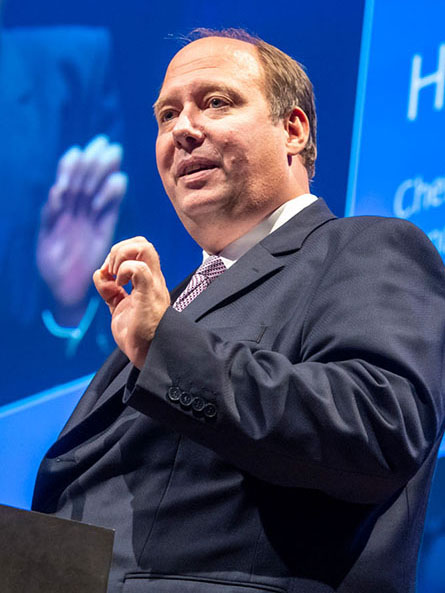
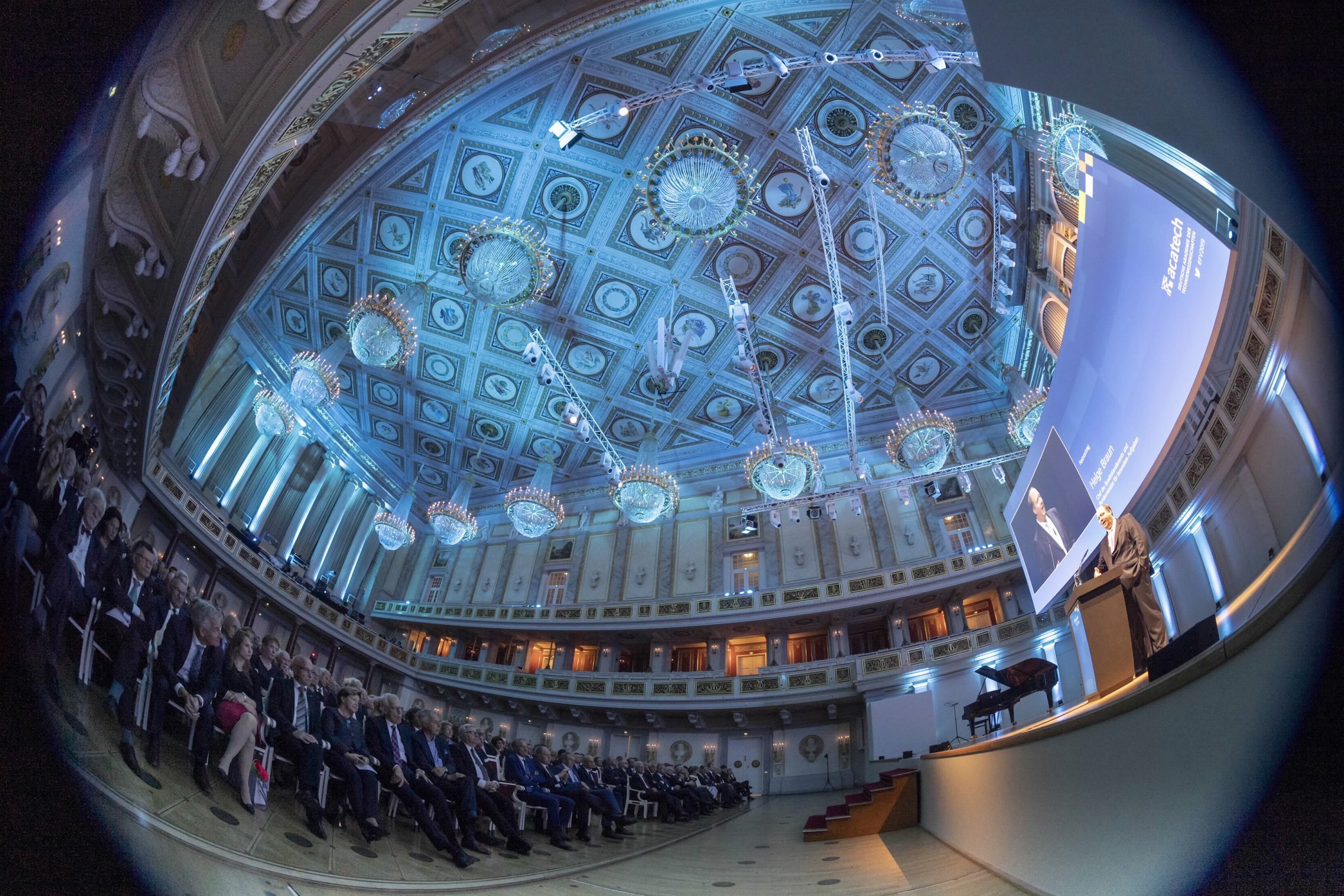
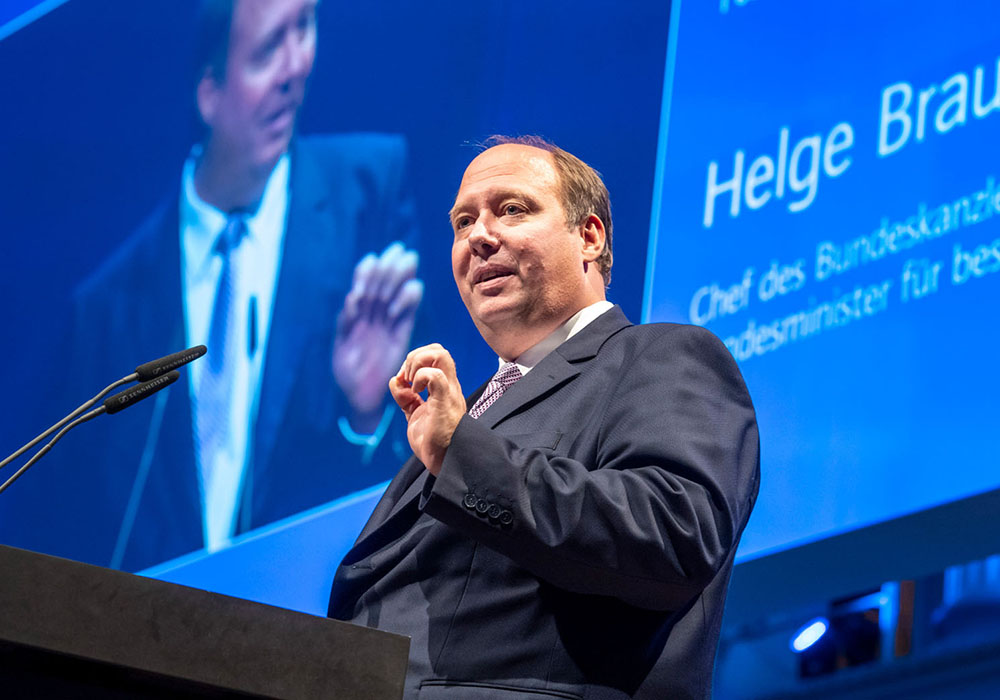
In his keynote address, Head of the Federal Chancellery Helge Braun highlighted acatech’s role in facilitating the dialogue between science, industry, government and civil society. © acatech/D. Ausserhofer

Berlin, 15 October 2019

How can technology and innovation help to protect our environment and climate? This was the key question addressed at acatech’s 2019 Annual Meeting.

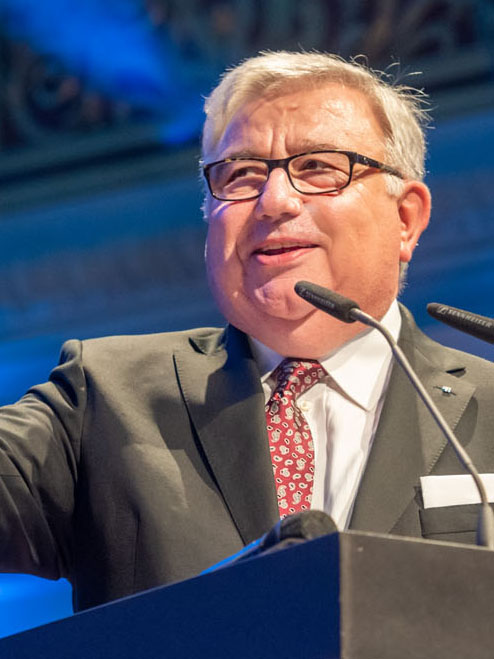
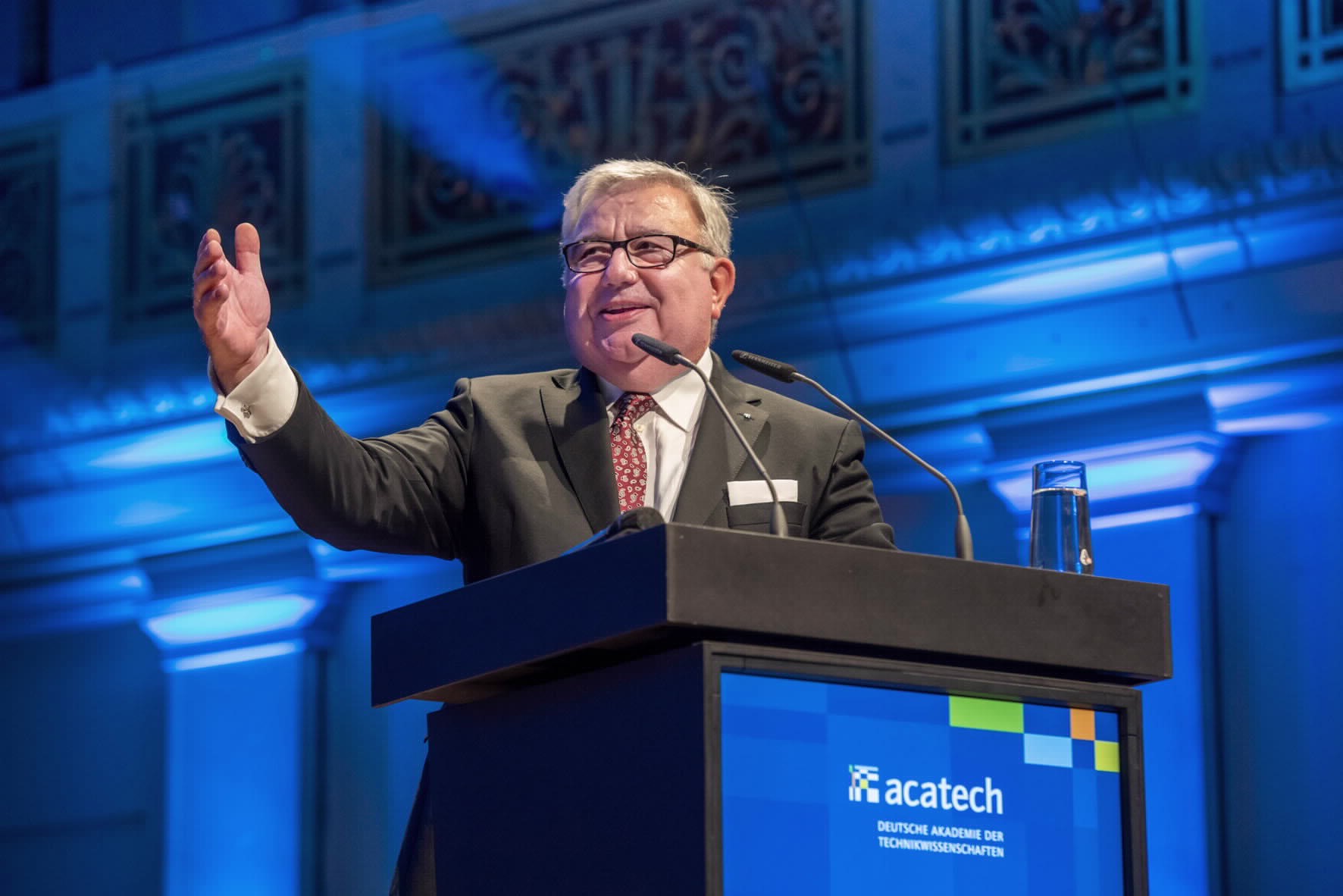
In his introductory speech, acatech President Karl-Heinz Streibich underlined the following message:

© acatech

We need a new phase of social and technological progress that enables humanity to grow and enjoy higher living standards without destroying the very things that make this possible.

acatech President Karl-Heinz Streibich


In his keynote address, Helge Braun, Head of the Federal Chancellery and Federal Minister for Special Tasks, stressed that:

© acatech

Current technological advances offer huge opportunities for adding new value in industry, for increased mobility and for a more sustainable future. We must shape this transformation together, with ingenuity, by embracing the future, and through a close dialogue between science, industry, government and civil society. acatech plays an important role in this context.

Helge Braun, Head of the Federal Chancellery and Federal Minister for Special Tasks

Technological innovation and social progress

Whatever the field, be it mobility, digitalisation and AI, the energy transition or the supply of resources, it became clear during the course of the evening that sustainability and climate protection will only ever be compatible with growth, prosperity and decent jobs if technological innovation goes hand in hand with social progress. acatech is working with a range of partners to develop scenarios and recommendations to this end.

© acatech

If the technological sciences can manage to attract both older people with their wealth of experience and younger people with their creative and innovative new ideas, then I for one will have no concerns about our country’s future.

acatech President Dieter Spath

Mobility and climate protection survey

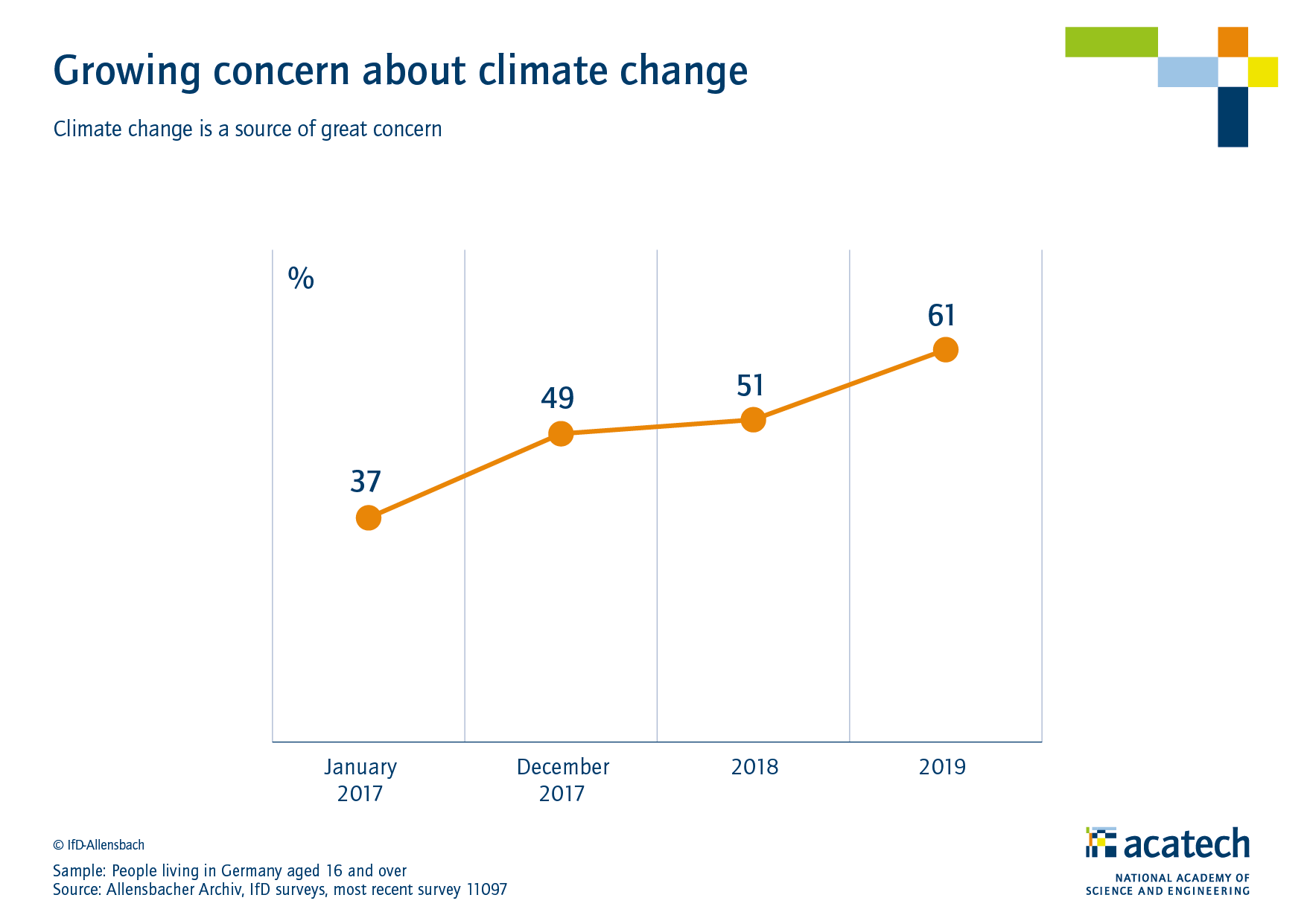
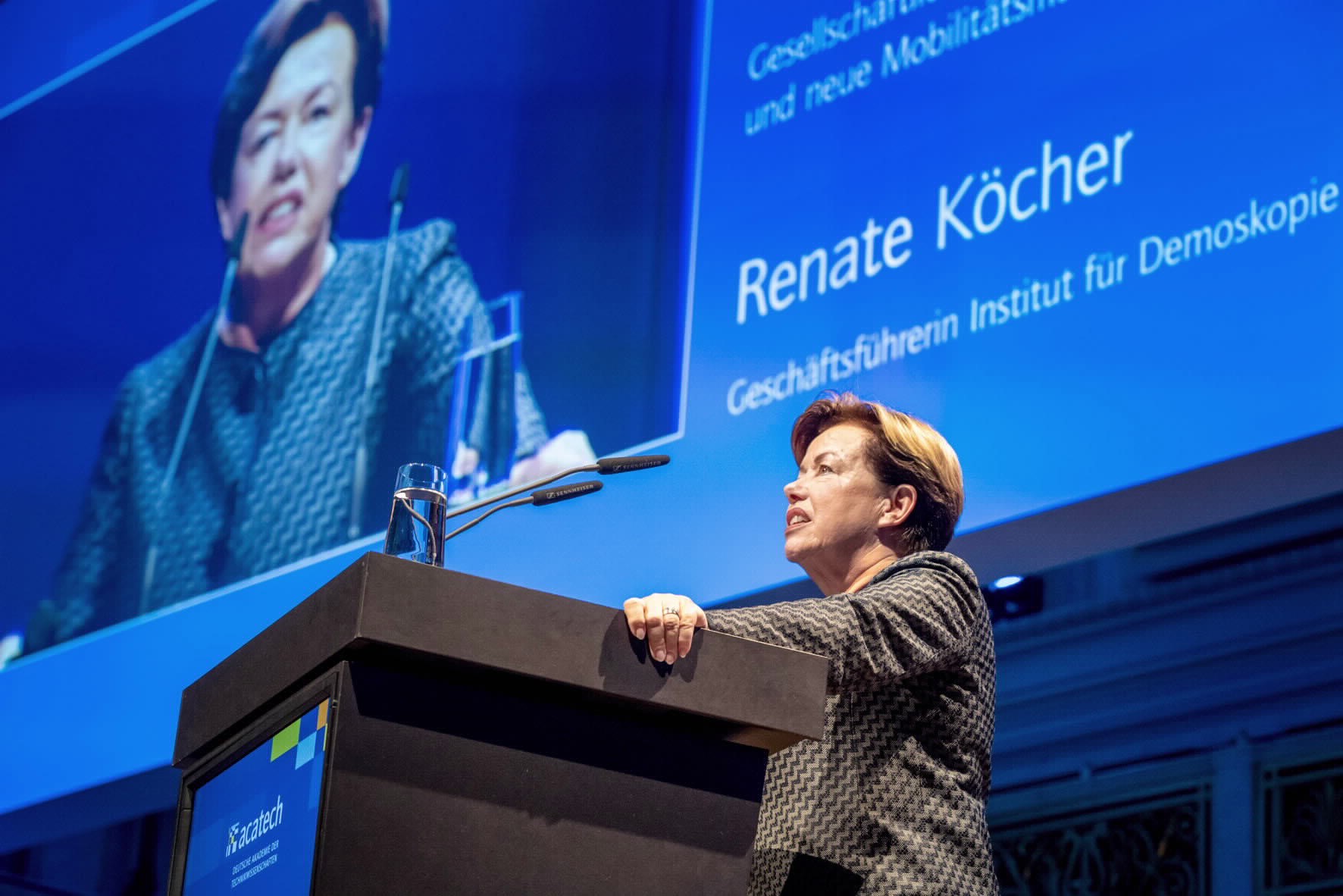
Renate Köcher and Henning Kagermann addressed the Annual Meeting on the subjects of climate protection and mobility. Ms. Köcher presented a representative survey on mobility and climate protection carried out on behalf of acatech, which found that although people in Germany take climate change very seriously, they also want attractive and affordable mobility solutions in both urban and rural areas. As in other areas of industry and our everyday lives, smarter solutions will be key to making this possible.


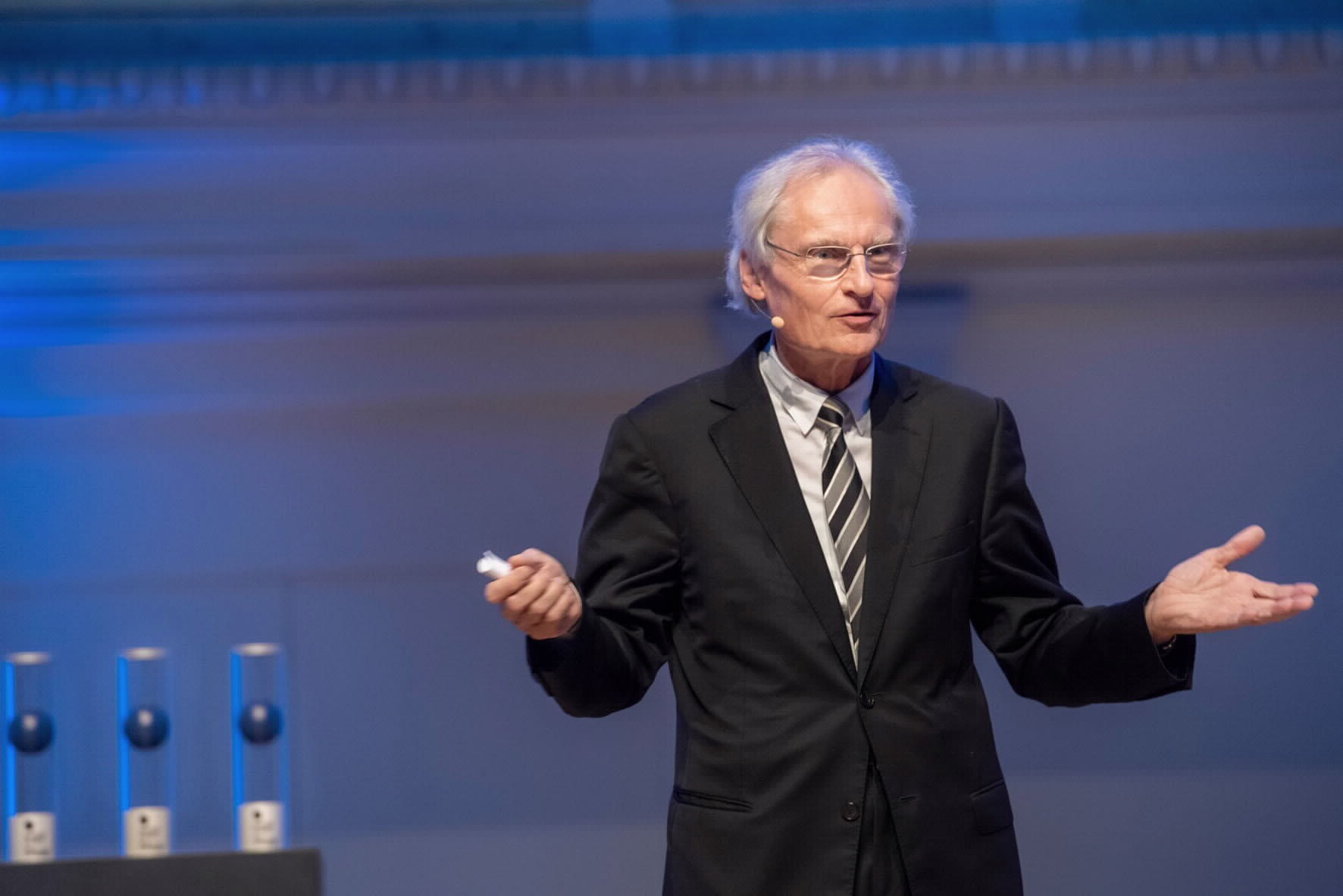
Henning Kagermann stressed that you can never have a mobility transition without an energy transition. He highlighted both digitalisation and decarbonisation in the shape of alternative propulsion systems and fuels as two potentially disruptive challenges.

Winners of the 2019 PUNKT prize for technology journalism

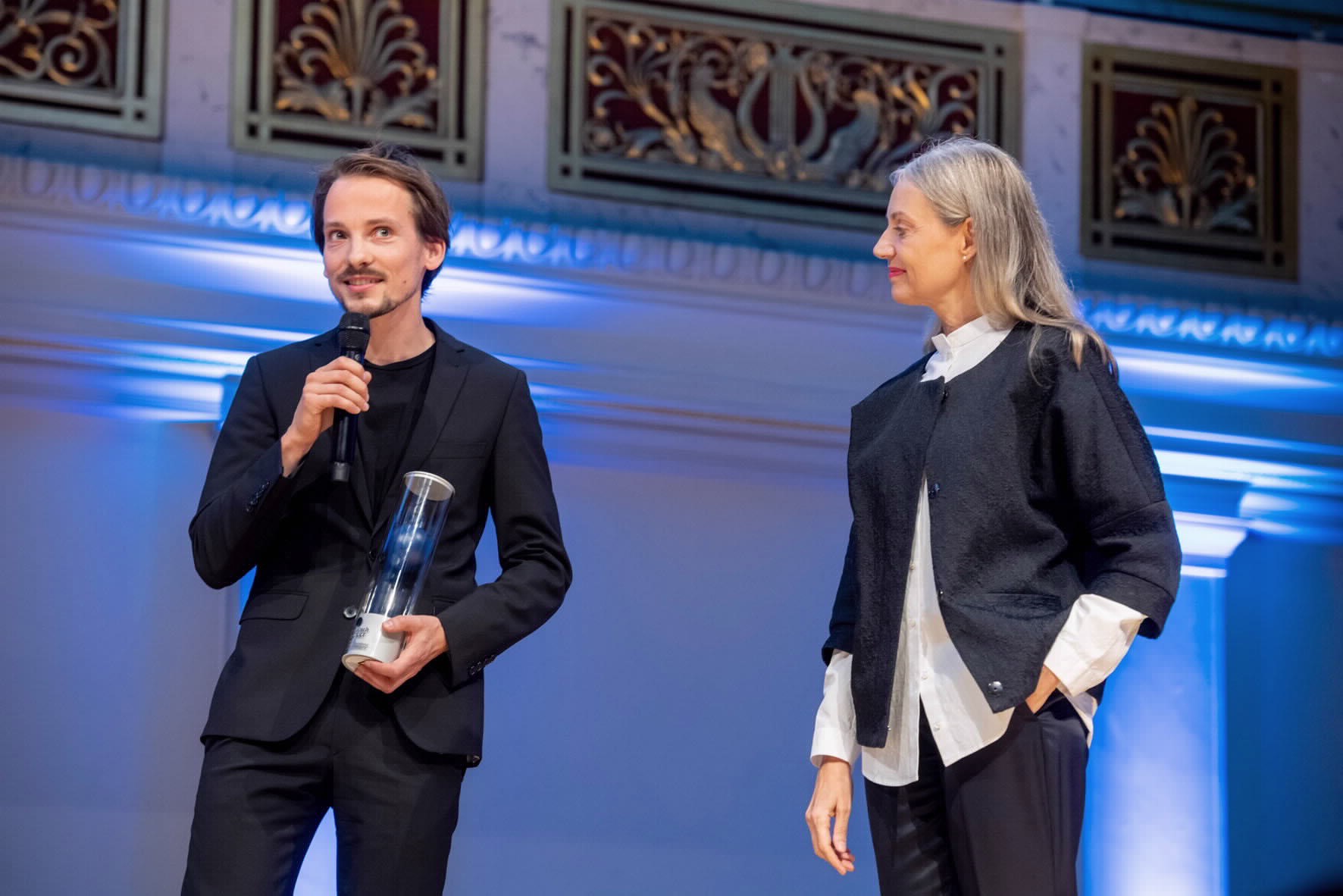
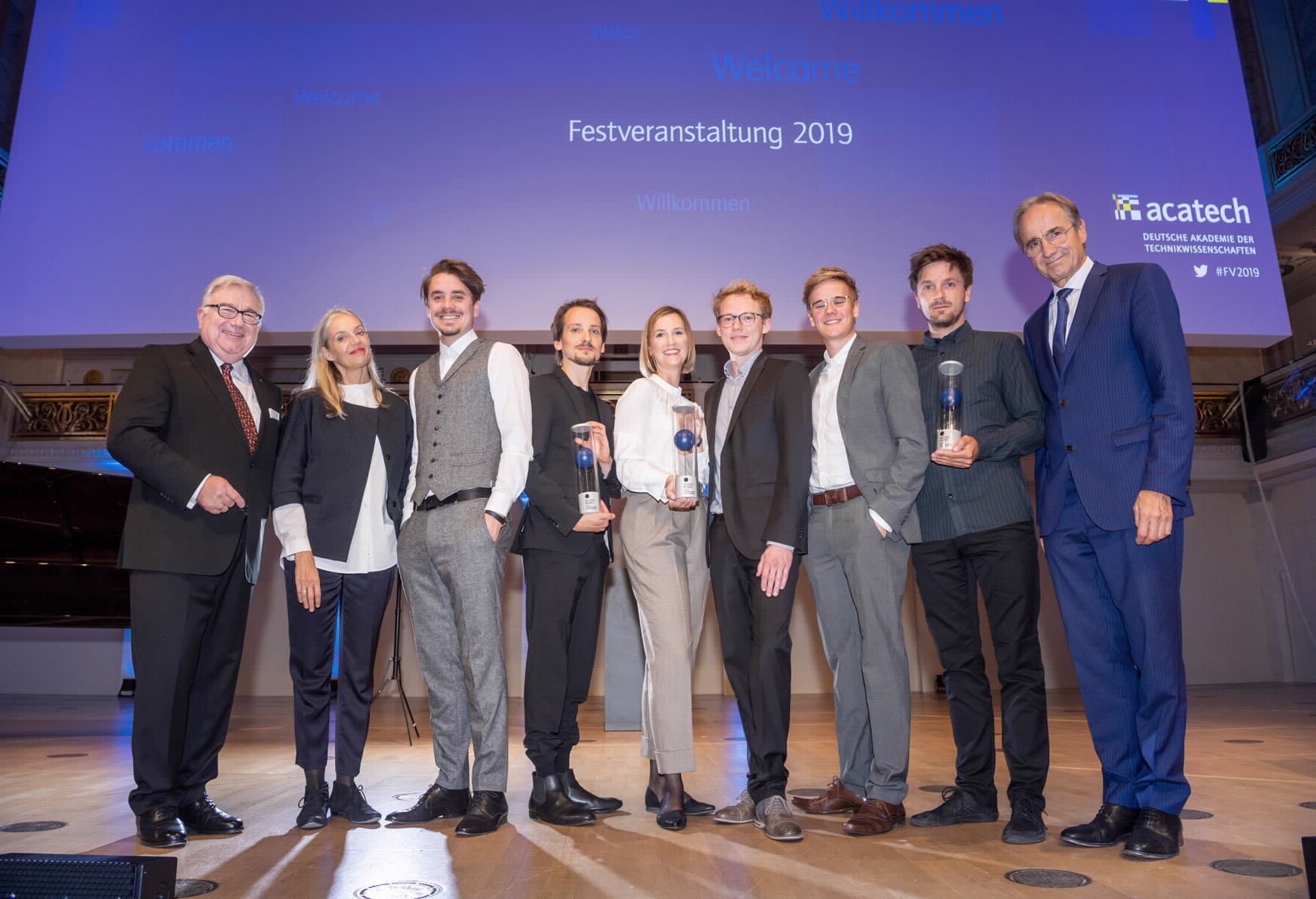
The winners of the PUNKT prize for technology journalism were selected at the Annual Meeting. This year, the prizes were awarded to a team from broadcasters Bayerischer Rundfunk for their “Smart-Home-WG” (smart home flat share) experiment, and to photographers Volker Crone and Hannes Jung. The awards speech was given by Christiane Riedel, Chief Operating Officer at the Zentrum für Kunst und Medien (Center for Art and Media).

You are currently viewing a placeholder content from YouTube. To access the actual content, click the button below. Please note that doing so will share data with third-party providers.

More Information

Unblock content Accept required service and unblock content

The winning entry from the team at Bayerischer Rundfunk involved an experiment to see whether a €350/month smart home flat share was possible and how secure it would be. It included content on YouTube and Instagram.

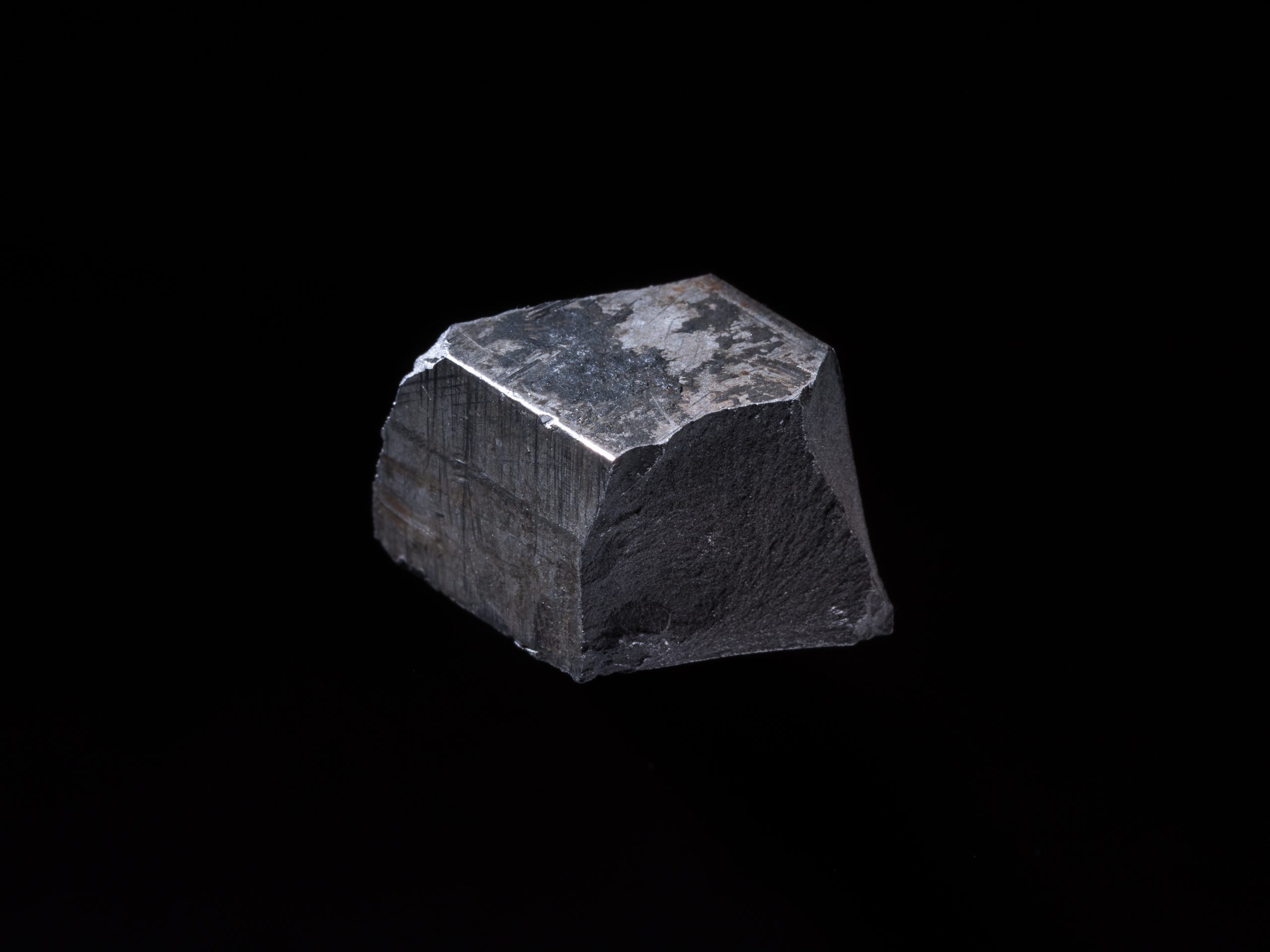
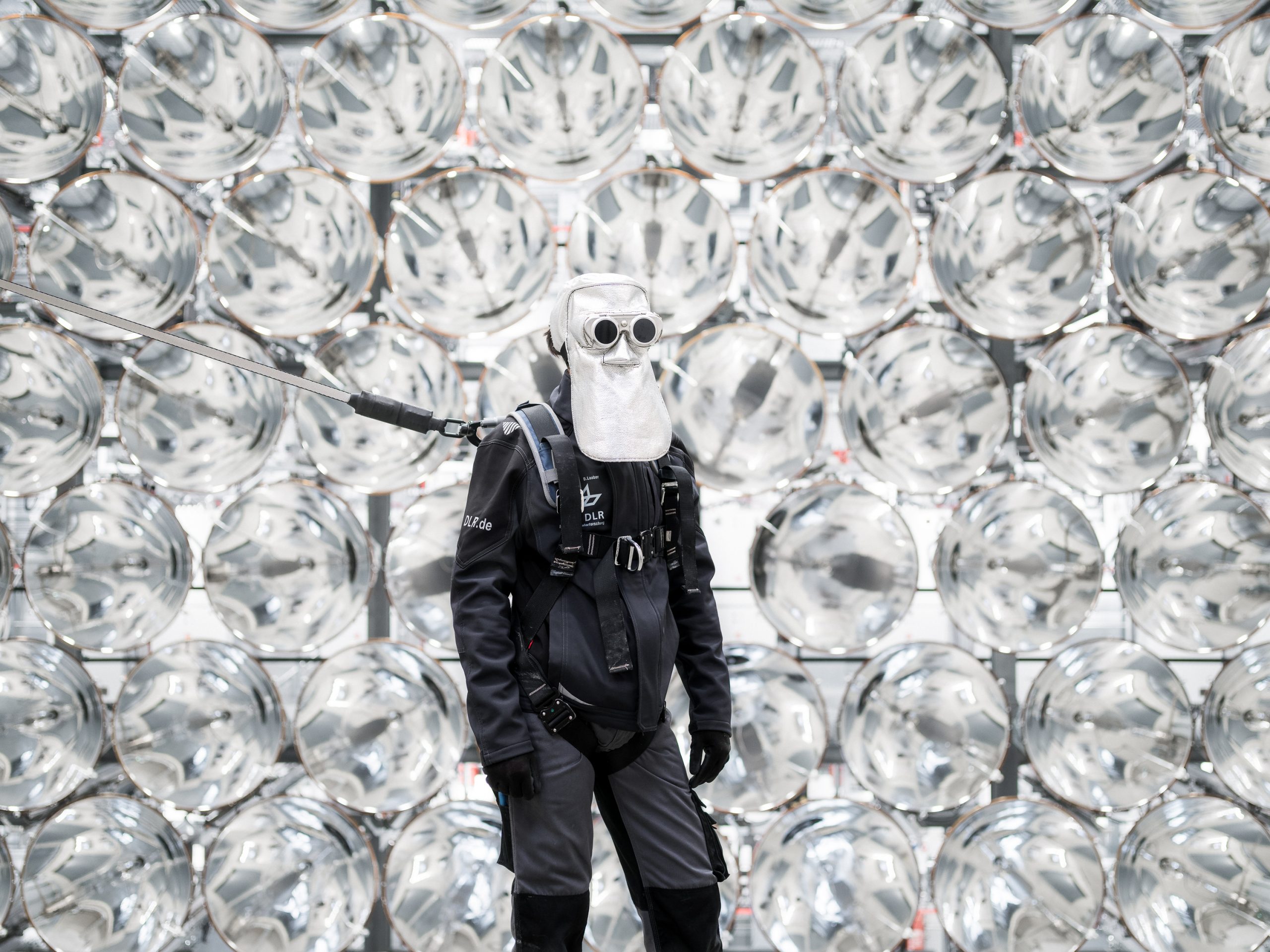
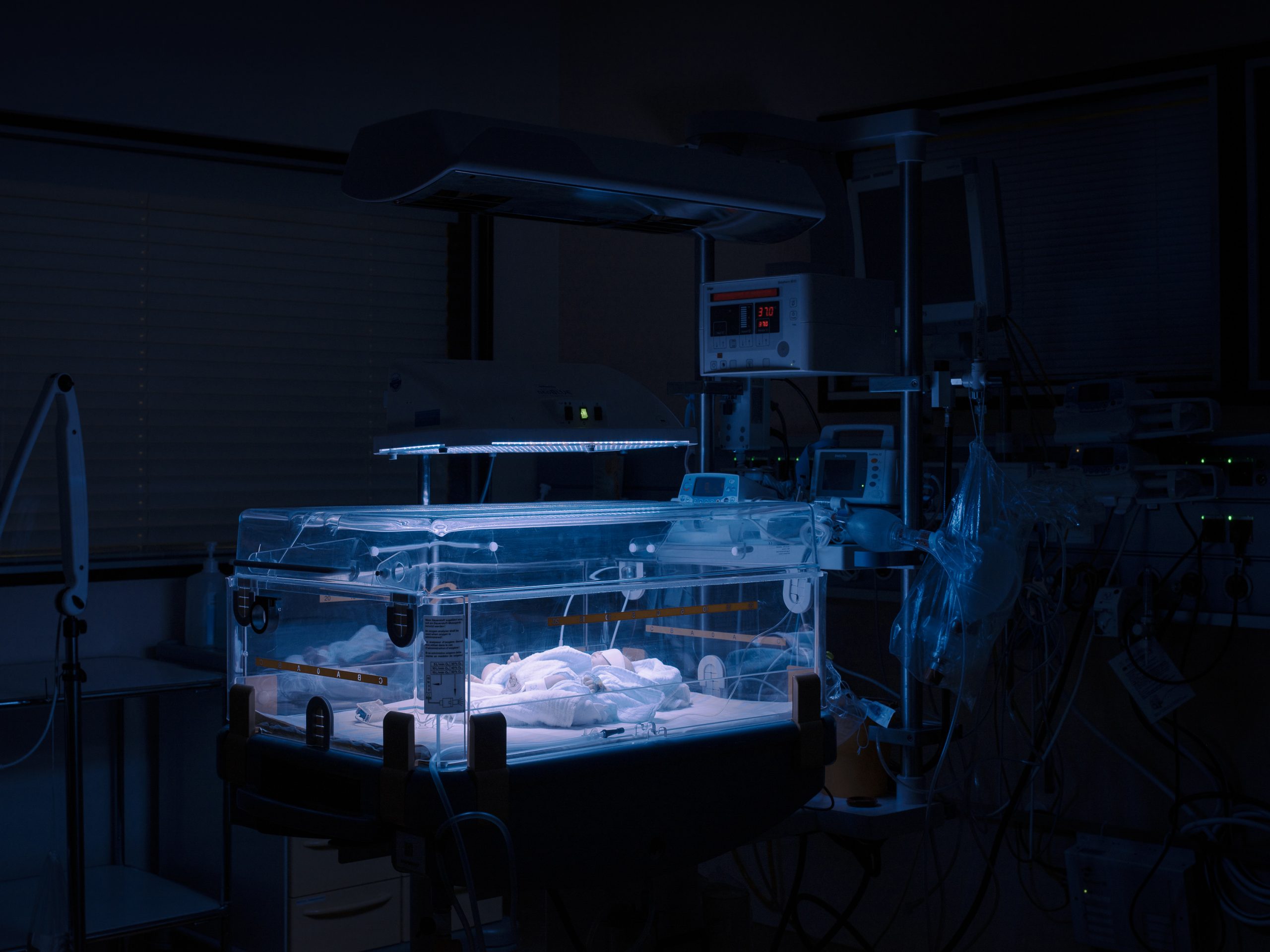
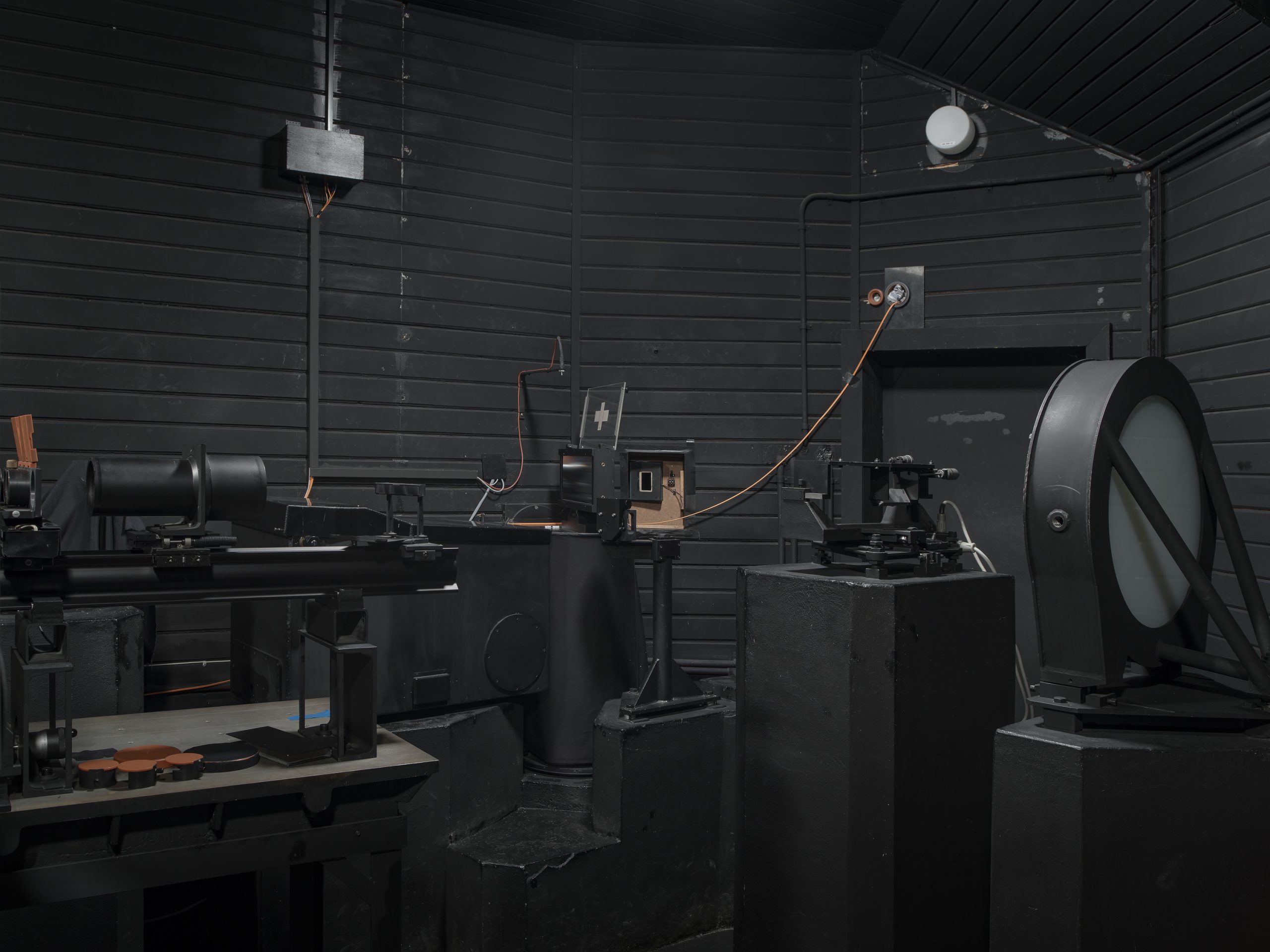
In his photo series “Vom Ende der Dunkelheit” (From the End of Darkness), freelance photographer Volker Crone shows how people use artificial light in different areas of their everyday lives and work. The result is that they seemingly no longer depend on the rhythms of the Sun.

Volker Crone: Vom Ende der Dunkelheit (From the End of Darkness)

stars outshined by the artificial light of advertising (© Volker Crone)
33,6 grams tungsten (© Volker Crone)
DLR’s artificial sun for researching solar energy under laboratory conditions (© Volker Crone)
the picture of the day, displayed on a LED advertising board (© Volker Crone)
sterile apple plants in a genetic engineering laboratory (© Volker Crone)
phototherapy on a neo intensive care unit (© Volker Crone)
the spectroscope of an observatory. searching for extrasolar planets, the light of foreign suns is transformed into usable information with the help of this spectroscope (© Volker Crone)
Experimental field for the investigation of ecological effects of street lamps (© Volker Crone)

For the first time, acatech’s PUNKT photography grant invited entries on a specific theme. Applicants were asked to present concepts for addressing artificial intelligence through the medium of photography. Hannes Jung’s photography project won over the judges by asking how the virtual world is changing the nature of love, a question that is both personal and socially relevant. Jung will use the grant from acatech to explore this question more closely by travelling to Japan. Once there, his plans include an investigation of the dating simulation game Love Plus, in which players engage in a relationship with a virtual partner.


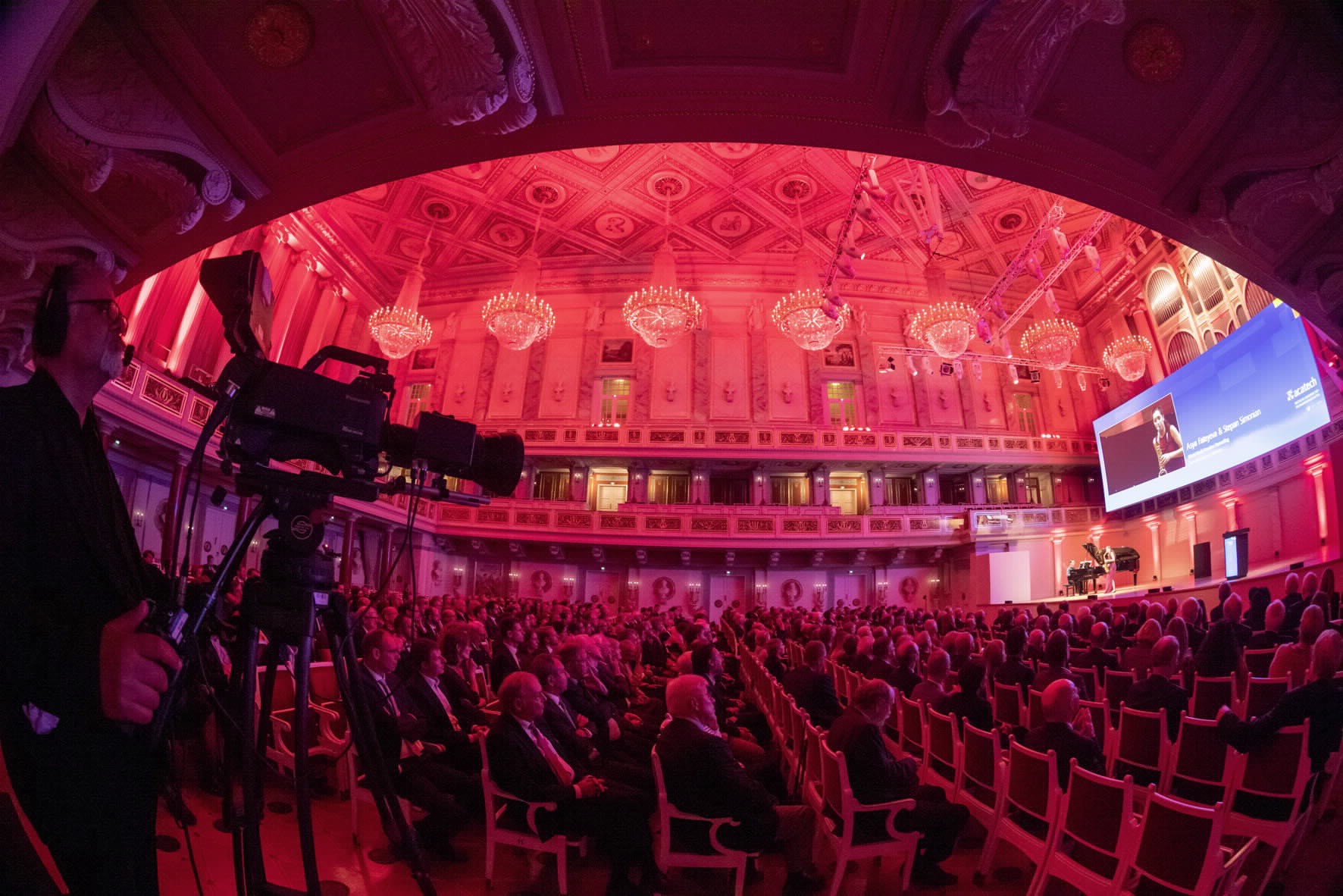
Impressions of the meeting

© acatech/D. Ausserhofer


Further information

Circular Economy Initiative Deutschland
National Platform Future of Mobility
Energy Systems of the Future
PUNKT – Preis für Technikjournalismus und Technikfotografie (German content)

Newsletter
Our newsletters (in German) keep you up to date with the academy’s current topics, projects and events.
Subscribe

  • Social Media


  • Academy

    • Topics
    • Publications
    • Projects
    • International Cooperation
    • Events
    • Media
    • About us
    • Locations
    • Jobs (German)
  • Legal notices

    • Imprint
    • Privacy policy
  • Contact

    acatech – National Academy
    of Science and Engineering

    Munich Office
    Karolinenplatz 4
    80333 Munich
    Germany

    +49 (0)89/52 03 09-0
    info@acatech.de

© 2026 acatech - National Academy of Science and Engineering