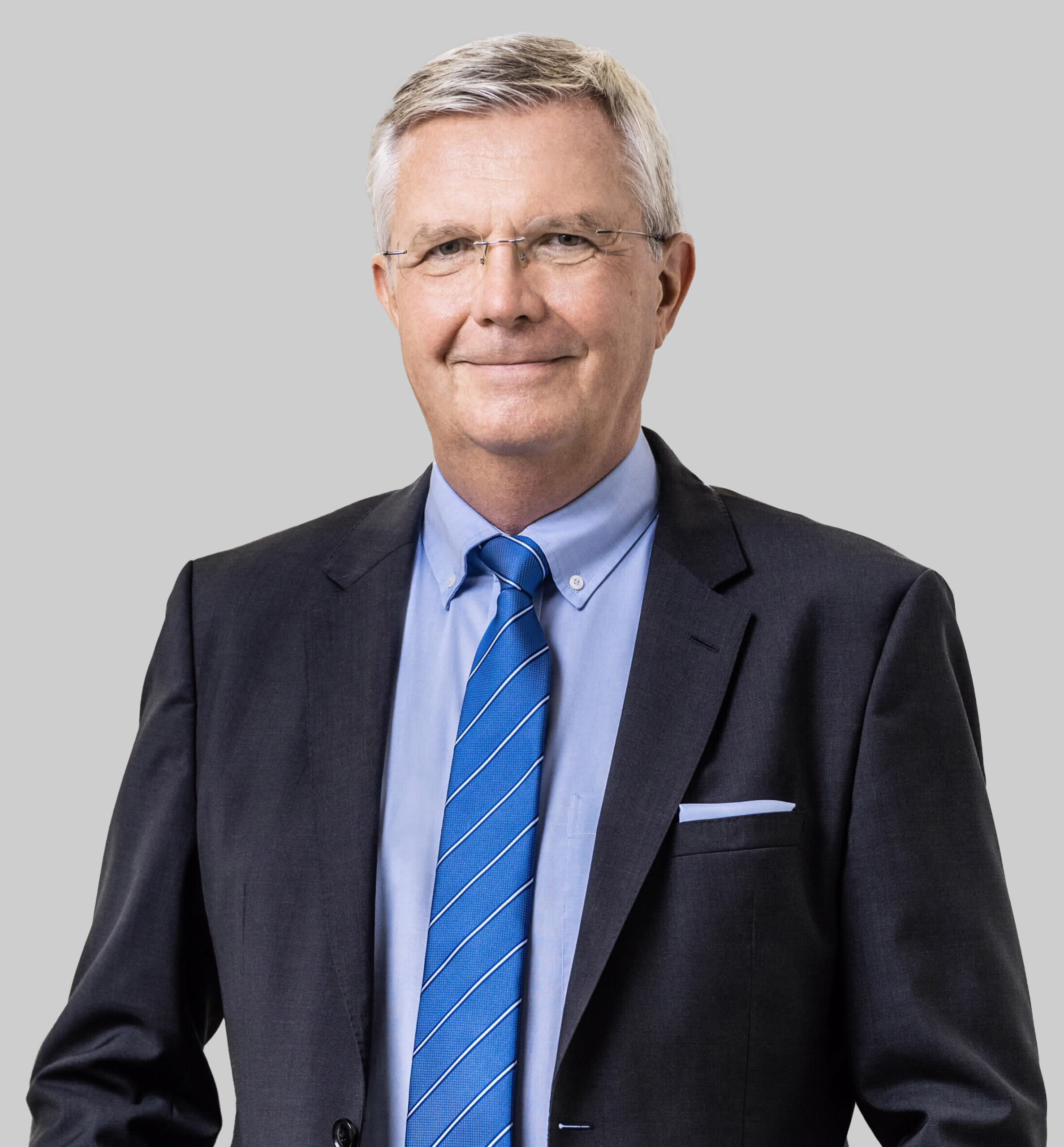
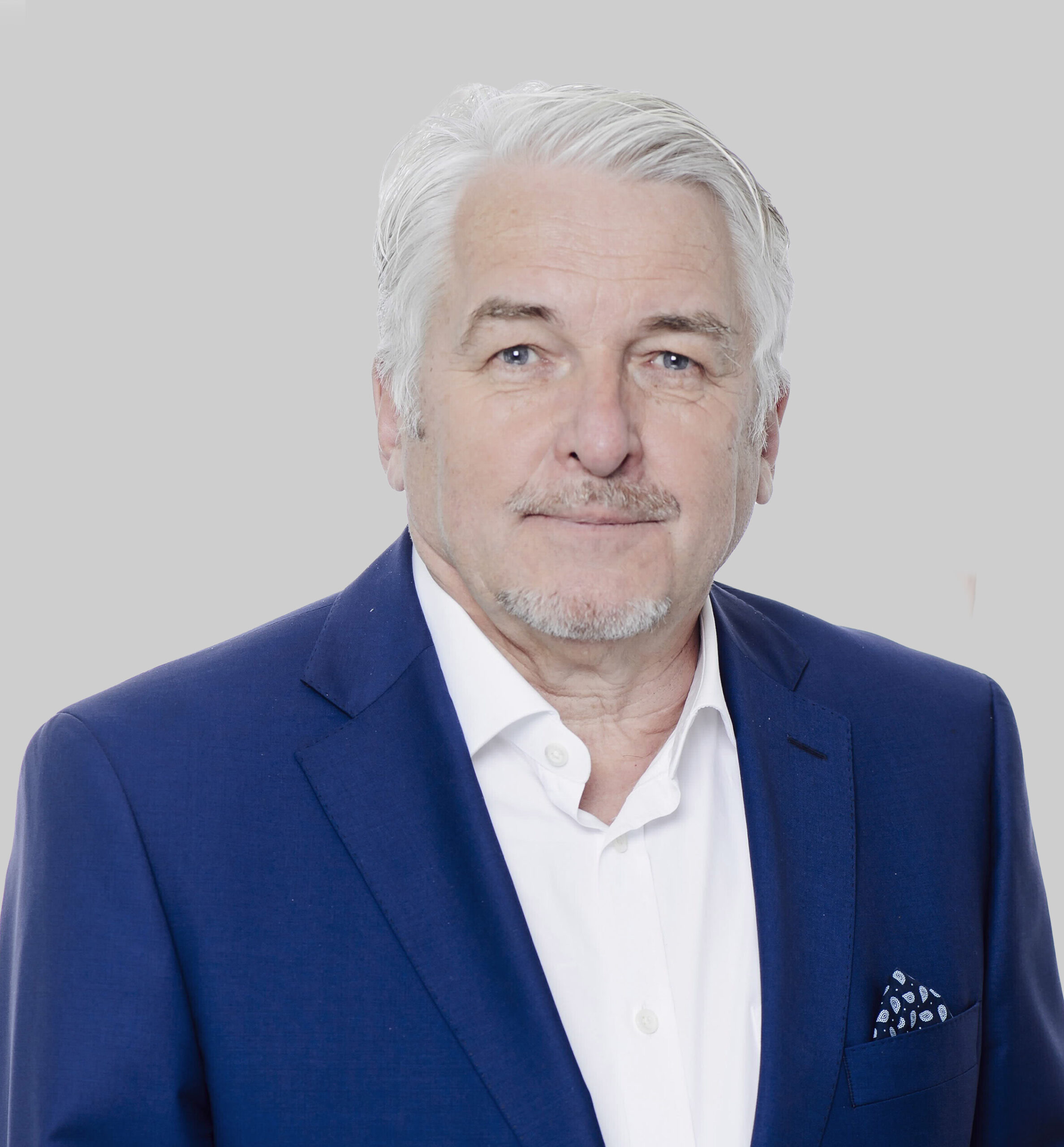
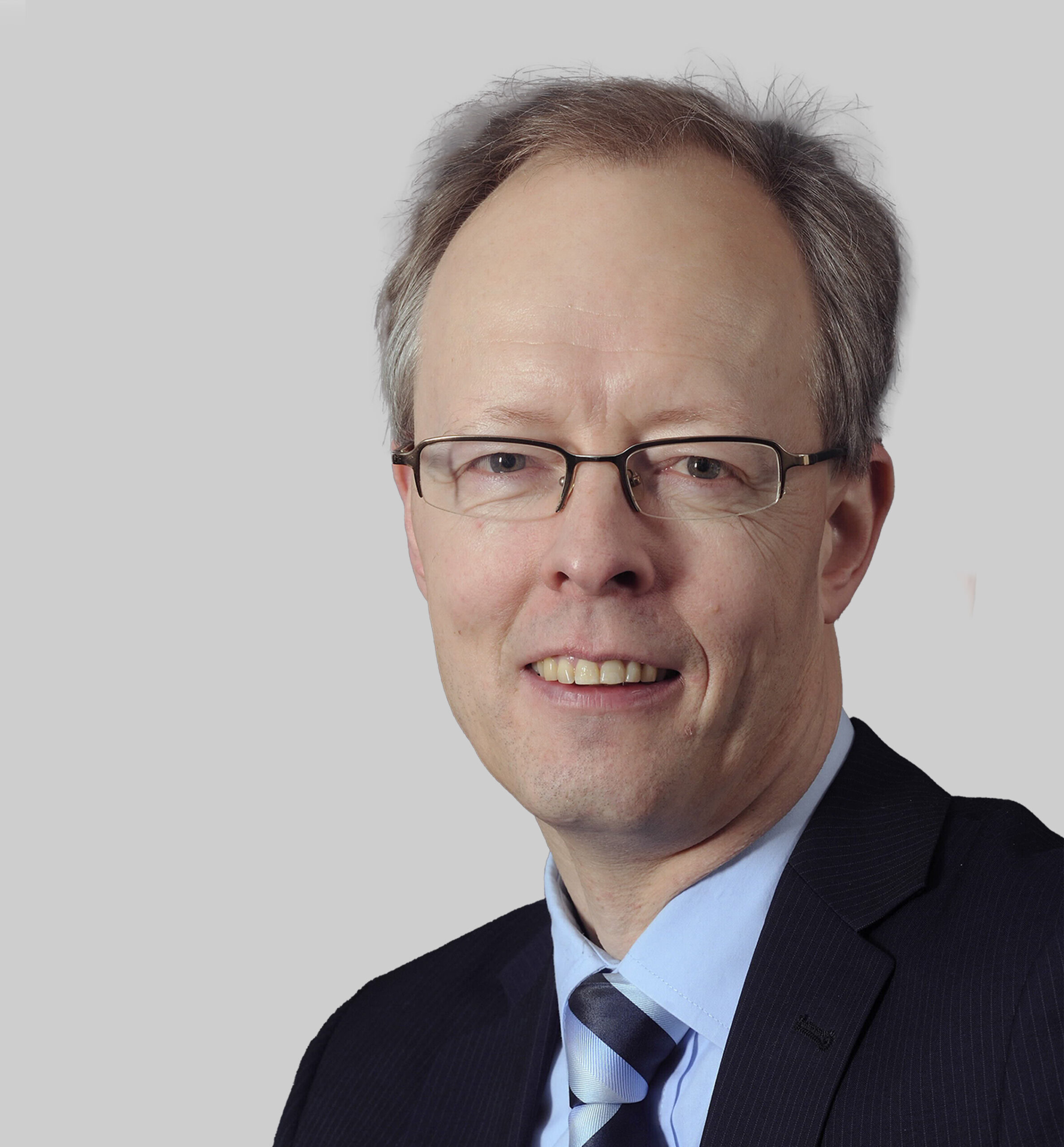
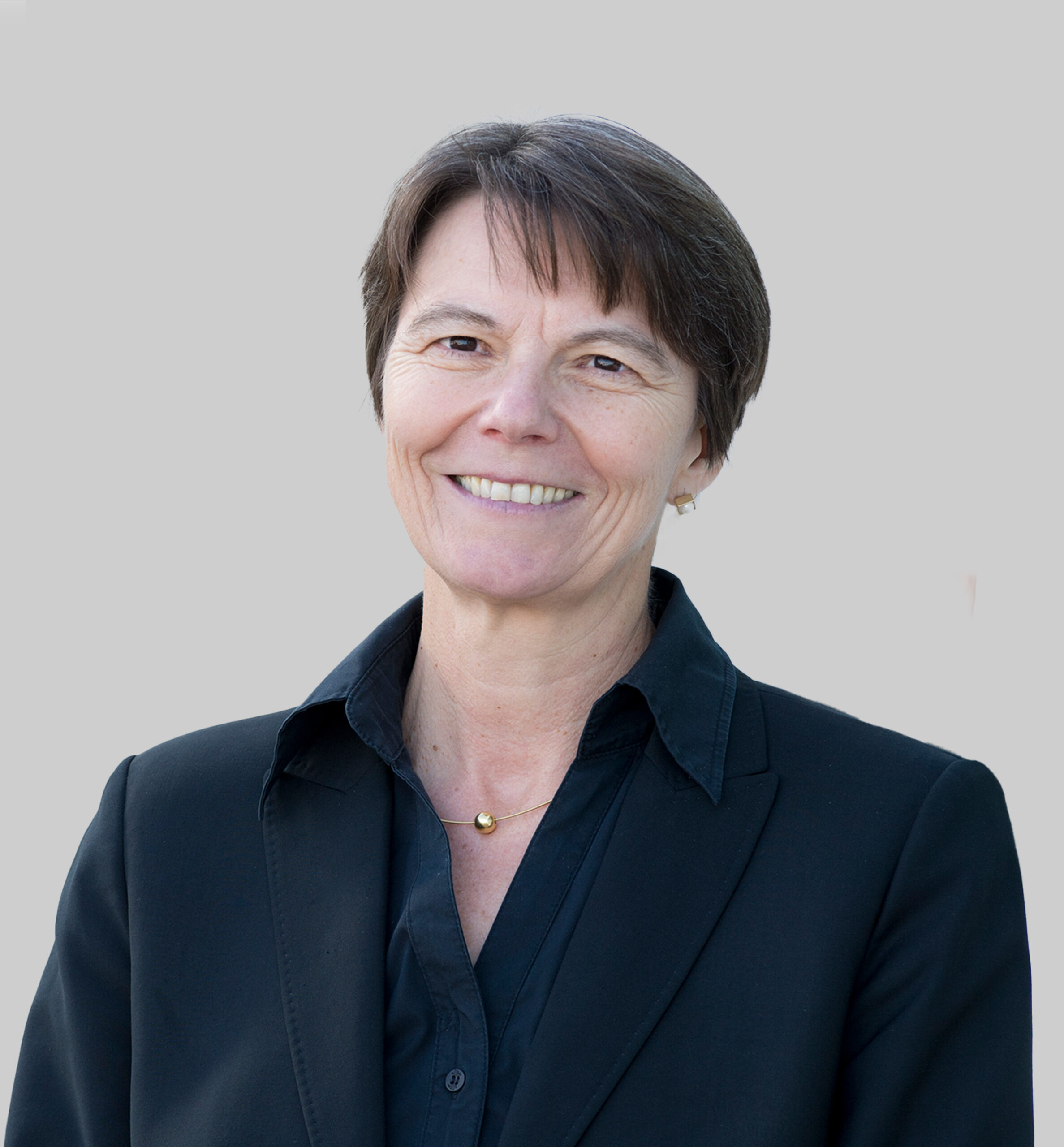
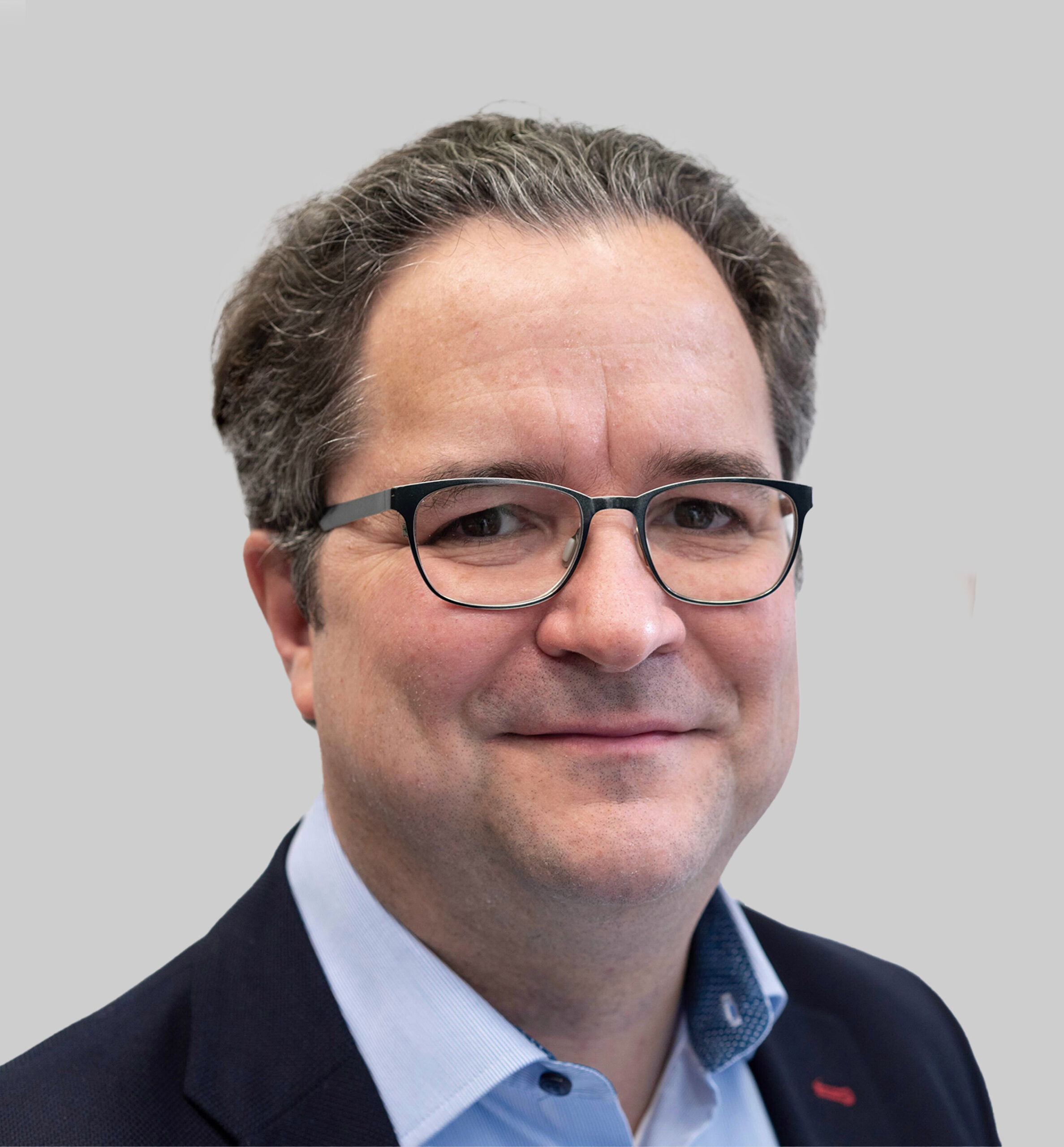
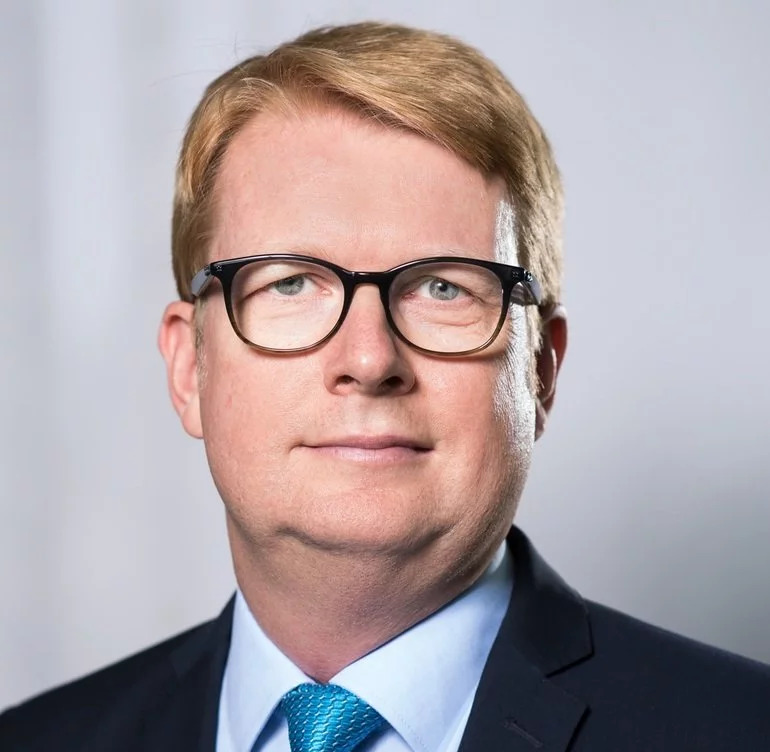
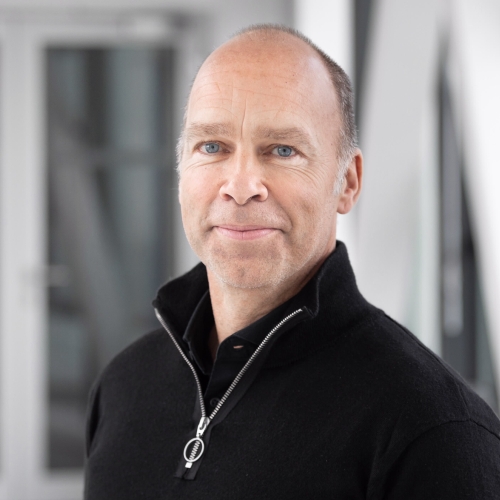
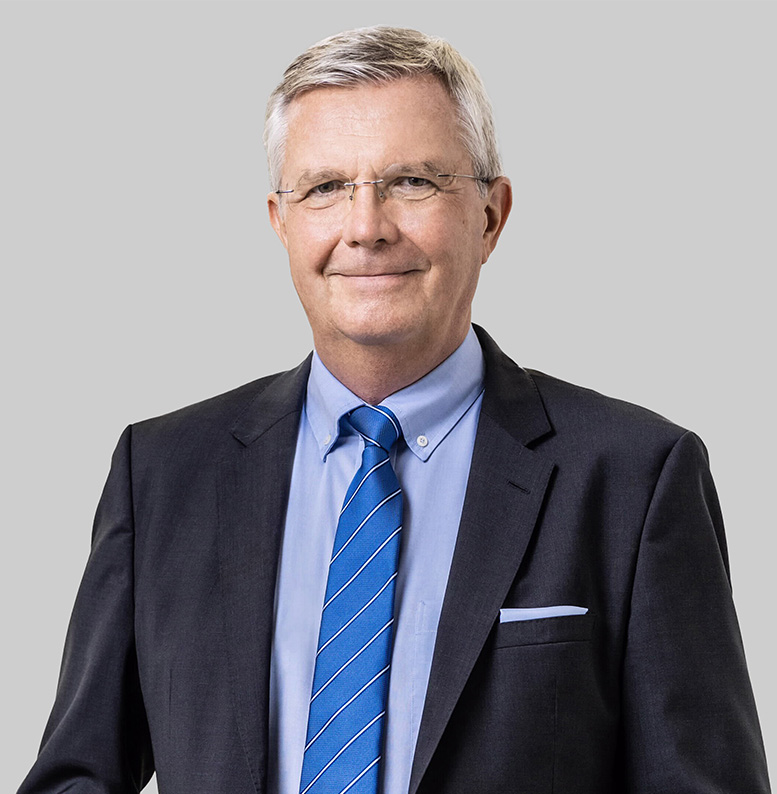
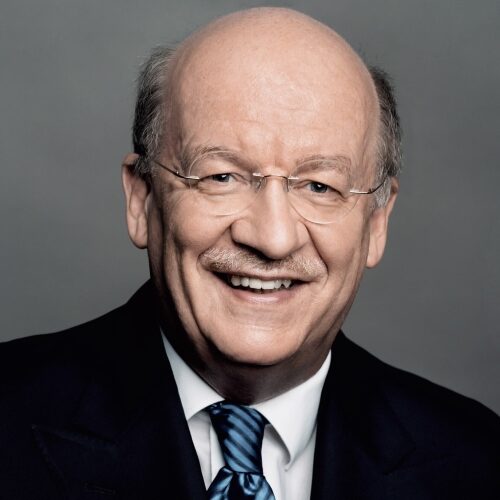
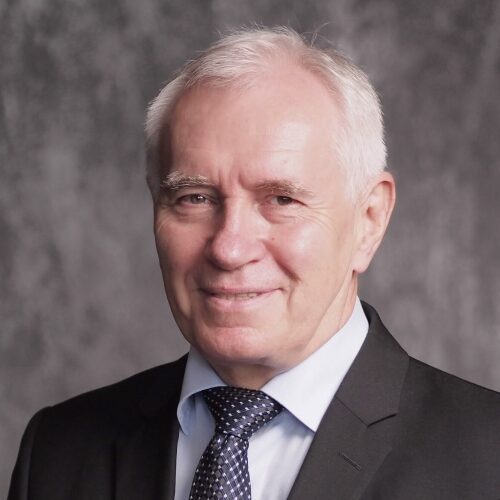
“The goals of Industrie 4.0 are to increase the competitiveness, resilience and sustainability of manufacturing companies. The success factor for this is networking, specifically the networking of products, processes and companies, for which data is the key resource. Data must not only be managed within the company in terms of cost, time and quality, but it must also be shared and used in industrial ecosystems so that it can realise its full potential benefits. After all, data that is not utilised has no value. However, due to the high value and innovation potential of industrial data, data sharing must not be unconditional, but must be carried out in such a way as to protect the data sovereignty of the data provider and the trust of the stakeholders involved.
The Plattform Industrie 4.0 has laid the foundations for this in recent years. Prominent results of the joint work are the Reference Architectural Model Industrie 4.0 (RAMI 4.0), the Industrie 4.0 Asset Administration Shell (AAS) and the concepts for value creation in data spaces. Building on this, initiatives such as Catena-X and Manufacturing-X are now putting Industrie 4.0 into practice and thus making an important contribution to the future competitiveness of German and European industry.
By joining such data ecosystems, companies are breaking new ground – not only in technical terms, but also in terms of cooperation and the development of new value creation potential. This is why research support is important and critical to success. I am therefore delighted to be able to make my contribution to the implementation of Industrie 4.0 as a member of the Research Council.”
Prof. Dr.-Ing. Boris Otto Director of the Fraunhofer Institute for Software and Systems Engineering ISST and Professor of Industrial Information Management at the Technical University of Dortmund
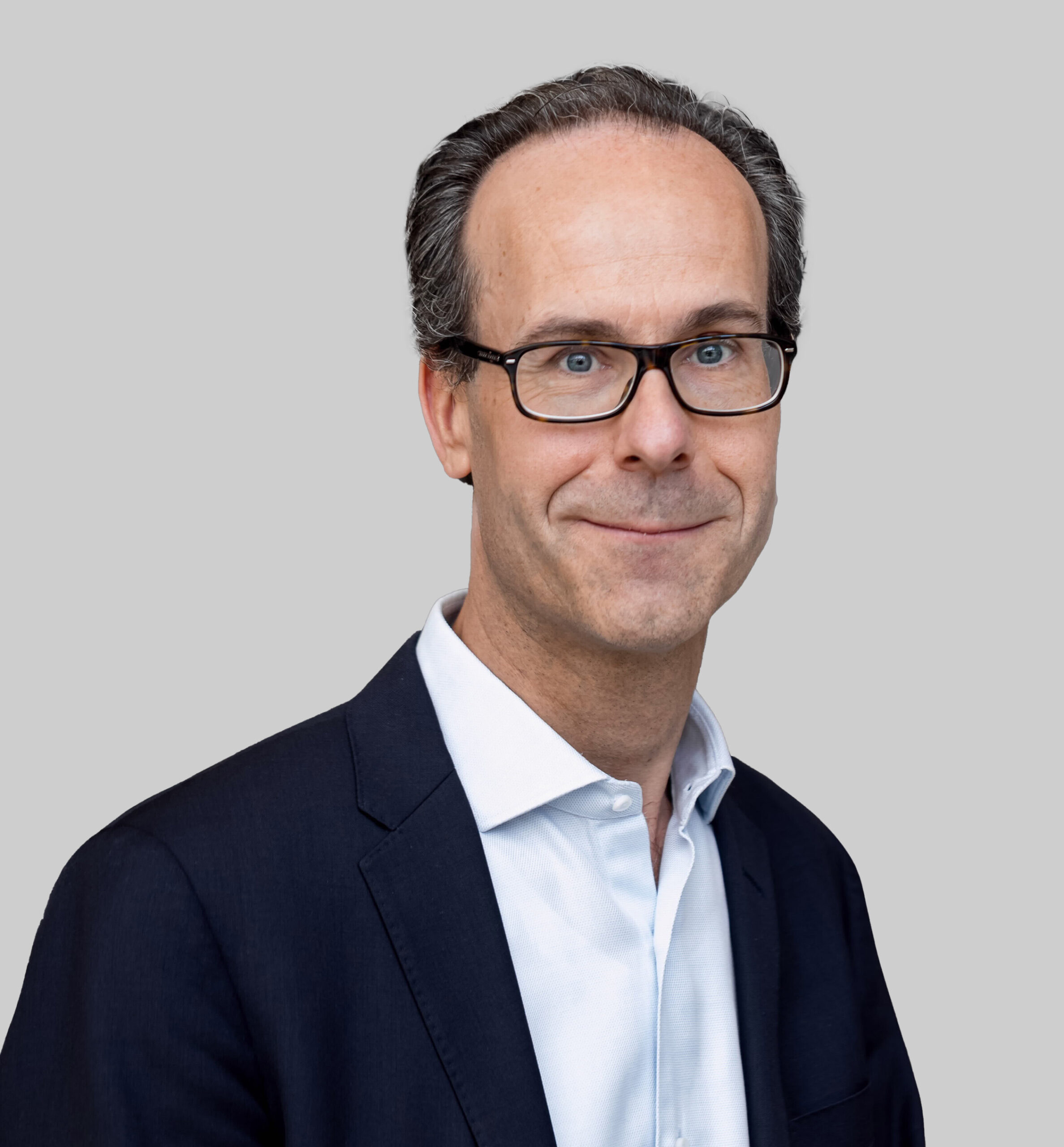
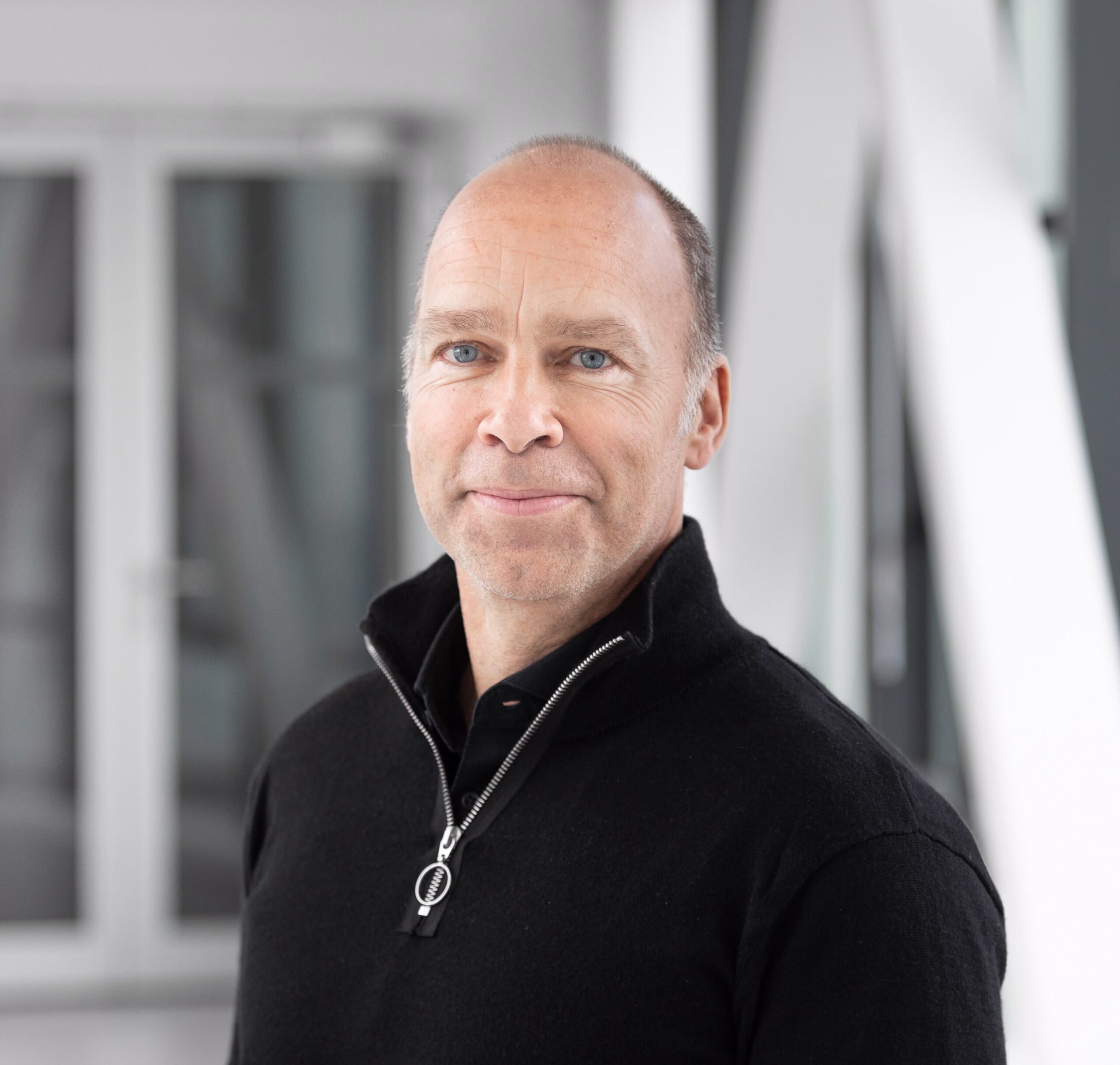
“The term ‘Industrie 4.0’ is now known worldwide as Germany’s contribution to the further development of manufacturing, organization and value creation in a global context. Global context here means: globally networked value chains, but also a clever combination of cooperation and competition in an increasingly confusing global competition between systems. The combination of manufacturing technology, process management and IT (including AI!) that is meant by ‘Industry 4.0’ opens up new opportunities for collaboration, which also opens up potential for economies that have previously been less successful in global competition to catch up and thus reduce social inequalities – fulfilling the meaning of the SDGs, the Sustainable Development Goals developed by the UN.”
Prof. Oliver Günther, Ph.D. President of the University of Potsdam
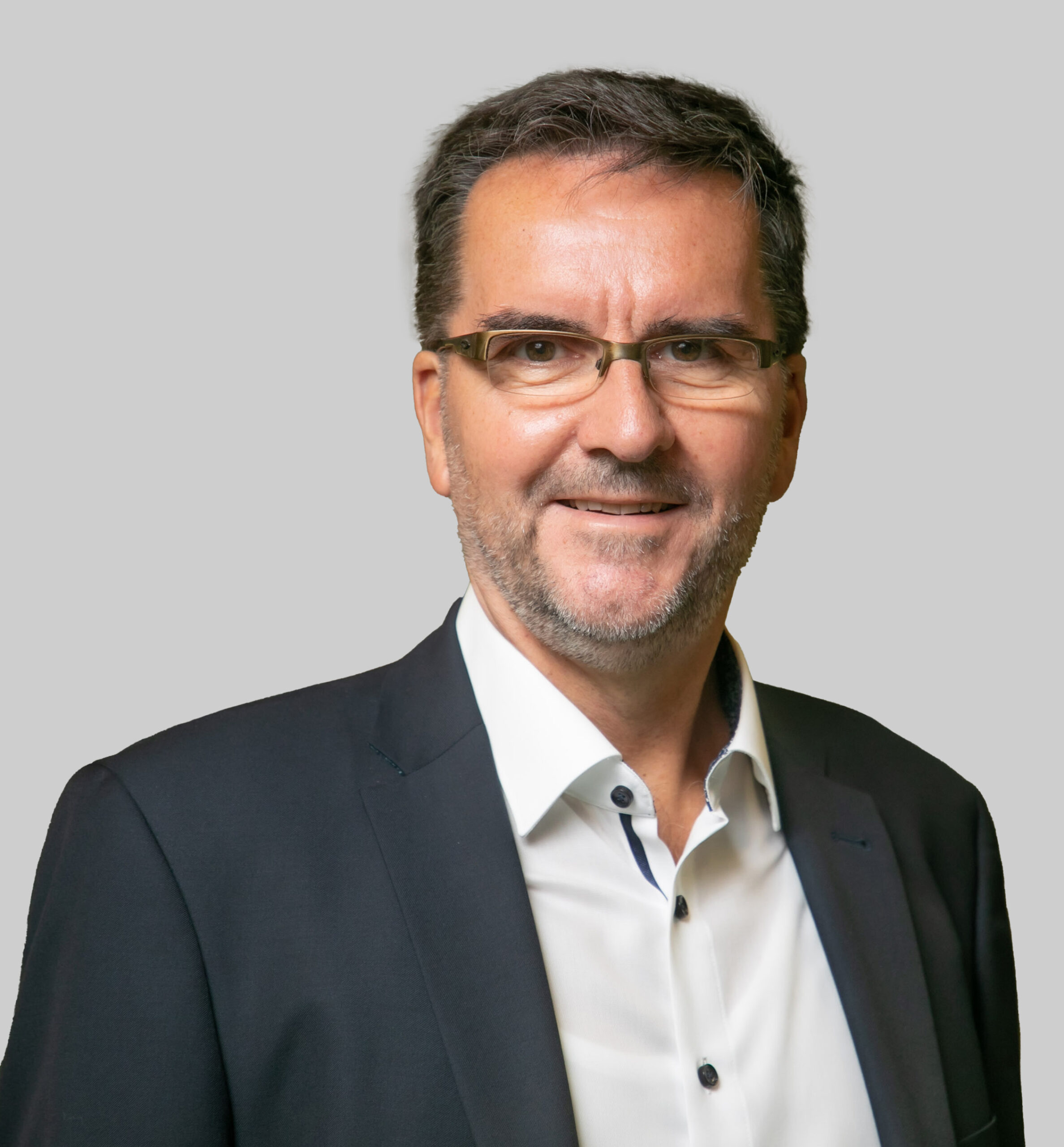
“In the second decade of Industrie 4.0, innovations are heavily influenced by artificial intelligence (AI). The use is so far mostly limited to machine learning methods in maintenance, AI-based sensor evaluation, collaborative robotics, intelligent worker assistance and semantic methods for data exchange. However, with the current large language models and hybrid neuro-symbolic AI processes, much more ambitious goals of Industrie 4.0 are within reach: from the automated creation of digital twins out of multimodal product and service documents, the derivation of process models from video recordings and the generation of better process alternatives, and zero-defect production through quality testing in every process step, mobile workbenches for decentralised operation and repair services and experience-based product improvement through generative AI processes.
I am committed to specifically promoting research into the latest AI methods as a turbo drive for the next stage of Industrie 4.0.”
Prof. Dr. Dr. h.c. mult. Wolfgang Wahlster CEA of the German Research Centre for Artificial Intelligence
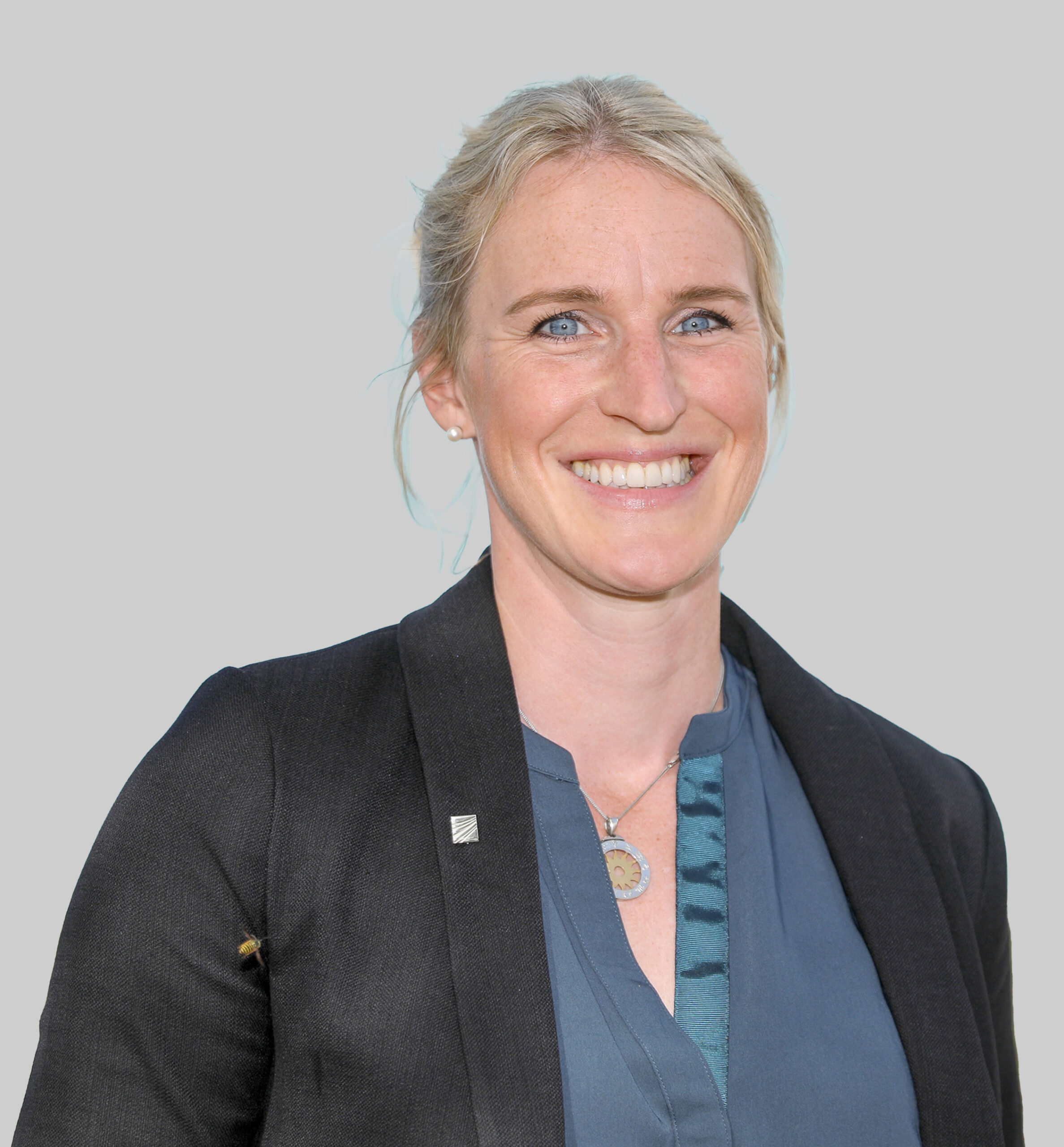
“Industrie 4.0 comprises a bundle of different technological developments, whose successful implementation requires organisational innovations. A more intensive cross-functional cooperation within companies, but also between companies is needed. Qualifications, forms of learning and development paths for employees in companies have to be rethought in order to combine classic automation expertise with an understanding of new developments in the areas of the Internet of Things, data science and AI and also to make the employees’ experiential knowledge fruitful. The successful combination of technological and organisational innovation requires the creation of opportunities for employees to participate.”
Prof. Dr. Martin Krzywdzinski WZB Berlin Social Science Center/Weizenbaum Institute/Helmut Schmidt University
“The fourth industrial revolution is taking place. Digitalisation and networking of everything and applications of artificial intelligence in everything are becoming reality. Digital models go from being images to setting the pace for physical processes. Detailed simulations, real-time communication infrastructures and intelligent sensors enable a fusion of virtuality and reality. A ‘digital continuum’ is created in which the control loops of planning and execution close.
Whether companies manage to do this sensibly and sustainably in several respects will determine whether they are among the winners or losers of the fourth industrial revolution. This is exactly where the work of the Plattform Industrie 4.0 and of the Research Council Industrie 4.0 comes into play. They help to enable the general public to take advantage of the opportunities associated with Industrie 4.0 and to participate in its development.”
Prof. Dr. Michael ten Hompel Managing director at Fraunhofer Institute for Material Flow and Logistics IML and holds the Chair of Materials Handling and Warehousing at TU Dortmund University
“After Industrie 4.0, there is Industrie 4.U (“Industry for You”). This metaphor represents the new focus that the discussion about Industrie 4.0 needs: not just a focus on increasing the efficiency and optimisation of existing processes and systems, but above all on how the digitalisation of production through completely new value creation models creates more value for customers, users, employees and our planet.”
Prof. Dr. Frank Piller Head of Chair of the Institute for Technology & Innovation Management RWTH Aachen
“The objective of Industrie 4.0 is multidimensional: digitally networked machines, objects, products and processes to enable new or more efficient manufacturing processes, autonomous operation of technical systems, intelligent controls and sustainable circular systems. The challenges in implementing Industrie 4.0 solutions lie primarily in mastering and coupling the semantic analysis of operational data with the initial digital design models and less in data transmission and storage. One of the decisive Industrie 4.0 competitive advantages lies in the solution competence regarding digital twins and their effects.”
Prof. Dr.-Ing. Rainer Stark Head of the Chair of Industrial Information Technology at TU Berlin
“Industrie 4.0 concepts form the basis for the combination of classic mechanical engineering and modern computer science. It is one of the most important fundamental innovations in our society to bring software and AI methods into various industrial areas to add value. It is important that we do not fall for any hype, but rather push forward new developments in a down-to-earth, constant and practice-oriented manner. That’s why the work of the Research Council is so important.”
Dr.-Ing. Torsten Kröger Chief Technology Officer at Intrinsic
“Industrie 4.0 means securing the long-term competitiveness of German companies in global competition. Digitalisation, networking and automation of planning, development, production and service processes are the prerequisites for simultaneously maintaining the value creation location and for assuming ecological and social responsibility in global networks and markets.”
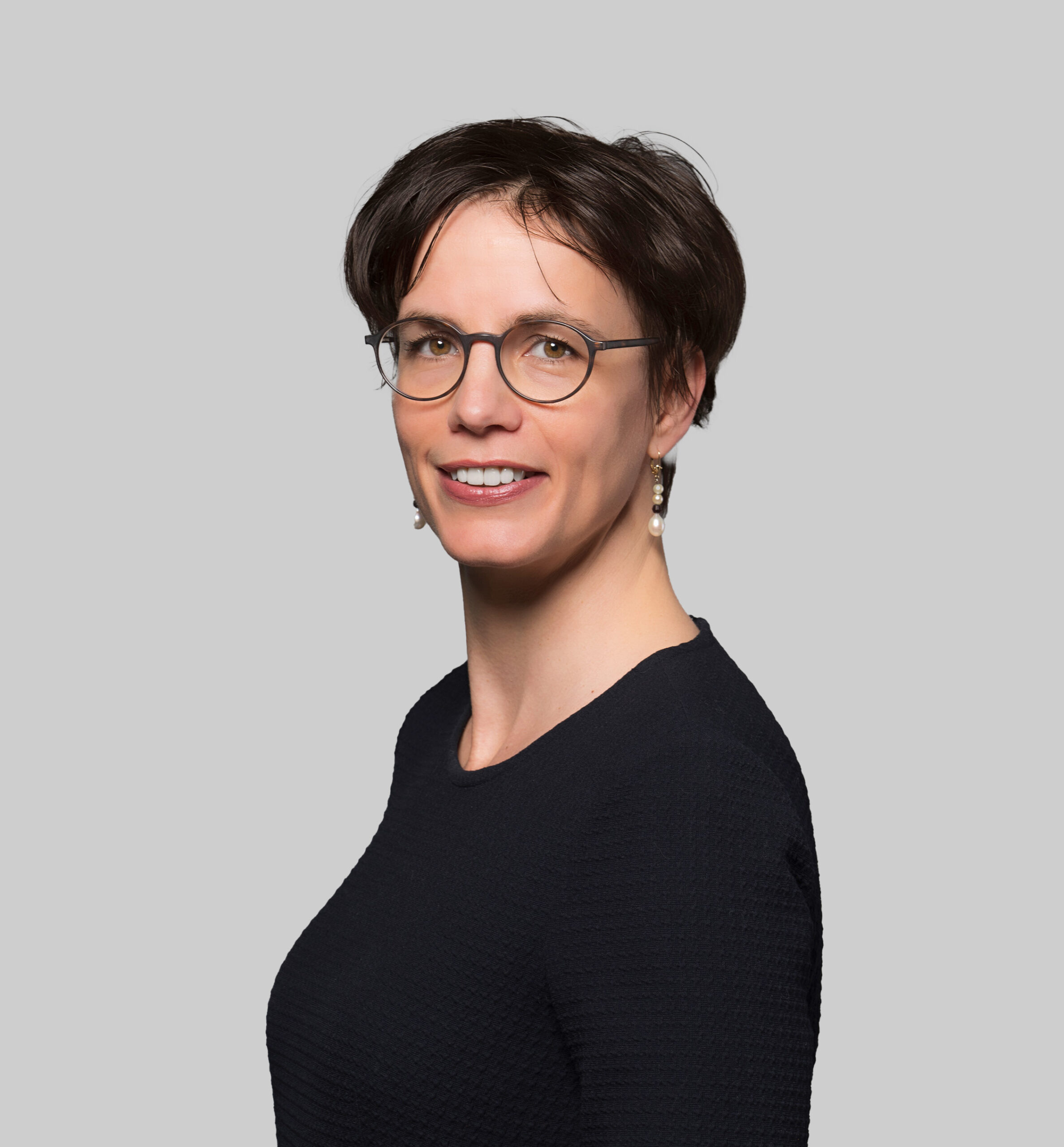
Prof. Dr. Julia C. Arlinghaus
Director of the Fraunhofer Institute for Factory Operation and Automation IFF, Chair of the Department of Production Systems and Automation at the Otto von Guericke University Magdeburg
“Industrie 4.0 is a key factor for us when it comes to the decarbonisation of aviation and the resilience of our industrial system. This involves physical and digital applications along the entire value chain. This ranges from production processes to individual part production to component integration and also includes material flows. This doesn’t end with the supply chain, internal and external logistics, but also includes infrastructural issues such as end-to-end data networking and energy supply and management of the production facilities.”
Nicole Dreyer-Langlet
Vice President Research & Technology Germany, member of the management board of Airbus Operations GmbH
“Industrie 4.0 stands for the close integration of people, machines and products based on data. In times of increasingly rapid change, flexible and adaptable production is not just an opportunity, but a necessity. Transparency at all times in individual value streams and along cross-company value chains, as well as optimisations based on this, enable resilient and climate-friendly value creation.
The successful implementation of Industrie 4.0 in manufacturing and logistics is essential for the competitiveness of our industry. It is important to drive implementation forward vigorously. This requires solutions that make data use very easy. The support of existing and new business models and the economic implementation of valuable use cases are essential success factors.”
Dr.-Ing Daniel Hug
Head of software engineering at Bosch Research and, among other things, responsible for research and development of manufacturing processes and production automation
“For ten years, the Research Council Industrie 4.0 has been one of the leading voices on the digitalisation of industry in Germany. The topic has lost none of its topicality and explosiveness today, but rather is becoming more and more important due to the current challenges. Digital ecosystems, increasingly intelligent algorithms, comprehensive digital business models and value chains require not only pioneering digital technologies that correspond to the principles and standards of our economy and society, but also a comprehensive transformation of society, companies and each individual. This requires new skills and competencies among people and companies, a political framework that demands and promotes innovation, and a society that is open to shaping this digital transformation and enjoys change.”
Prof. Dr. Katharina Hölzle
Director of IAT University of Stuttgart and Fraunhofer IAO
“The goals of digitalisation in industry are clearly defined: increasing efficiency and quality in production as well as creating new value creation opportunities. These are primarily aimed at better customer orientation and competitiveness. However, the full digitalisation potential of the German industry is still far from being realised. The majority of the German industrial companies are already working with applications for Industrie 4.0, but often only initial steps have been taken to realign existing business models and processes.
The bundling of competencies plays a major role in the next leap towards the ‘SmartFactory’. One of the main tasks for manufacturing companies and their partners in the industrial environment is to combine domain knowledge from the world of automation with that from IIoT and IT. To do this, it is important to replace rigid, monolithic structures and software architectures and thus make the transition to IIoT-supported processes. In addition, collaboration between actors should be further promoted through ecosystems in which everyone can contribute their skills. In the Research Council, we make a valuable contribution to the design and development of Industrie 4.0 in Germany.”
Dieter Meuser
CEO Digital Industrial Solutions at German Edge Cloud
“Industrie 4.0 encompasses more than the purely technical aspects of an intelligently networked industry. Industrie 4.0 describes a systemic approach with a view to the various aspects of digital transformation, also in the context of the ecological, socially acceptable restructuring of our production systems.
Started as a future project by the federal government, Industrie 4.0 has now arrived in industrial practice. And yet there are still many research questions about the joint design of internationally competitive, resilient and sustainable value networks. The Research Council makes an important contribution here.”
Dr. Björn Sautter
Senior Expert Industrie 4.0 at Festo SE & Co. KG
“As part of the Industrie 4.0 initiative, we are creating the conditions for Germany to gain a competitive advantage on a technical and information technology level. This can result in new business models and the strengthening of existing business models. A particularly important element is the empowerment of employees in all areas in order to be able to fully exploit the possibilities. The research here focuses, among other things, on the questions of what new requirements and change processes employees have to face and how we can best train and further educate them in a people-centered, competency-oriented, situationally adapted and individually tailored manner.”
Prof. Dr. Thomas Schildhauer
Research and founding director of the Alexander von Humboldt Institute for Internet and Society
“With Industrie 4.0, industrial value creation is undergoing the greatest transformation in its history. Digitalisation, automation and artificial intelligence have already found their way into factories in many places. They increase resource efficiency and enable new business models such as usage-based pricing models (pay-per-use).
In the past, the focus of Industrie 4.0 was on individual companies and their immediate suppliers and customers. Due to social change and the geopolitical situation, this will no longer be enough in the future. Companies will cooperate much more closely and join forces to form open networks in order to become more resilient to disruptions in the supply networks. Furthermore, it is becoming increasingly important for corporate success that companies fulfill their responsibility for sustainable action in the areas of environmental, social and corporate governance. Industrie 4.0 will make a decisive contribution in all of these areas by creating the necessary transparency and enabling a rapid exchange of information.
The Research Council is already addressing these new challenges in its publications and is thus making an important contribution to shaping research and development in the context of Industrie 4.0.”
Dr. Uwe Kubach
Vice President and Chief Product Expert in the Department Digital Supply Chain and Manufacturing at SAP
“Industrie 4.0 has been practiced in mechanical and plant engineering companies for several years. Whether large corporations or innovative medium-sized companies – the digitalisation of production and services are key challenges. This is not just about the successful introduction of new digital technologies. Rather, Industrie 4.0 requires changes at all company levels and must take place across the entire value chain. Small and medium-sized companies in particular need support, for example when introducing AI technologies. There remains a broad field for the future activities of the Research Council Industrie 4.0.”
Dietmar Goericke
VDMA — Association of German Mechanical and Plant Engineering e.V.
“The change to Industrie 4.0 raises a wealth of legal questions. Some of them follow the legal problems of earlier socio-technical innovations, but appear in a new light, as if under a magnifying glass. An example of this is data protection, which previously did not play a major role in the company shop floor – but becomes highly relevant as soon as cyber-physical systems can log not only their own status, but also the skills, behavior and communication of employees. Other legal issues are fundamental in nature because they are linked to paradigm shifts in the economic system associated with the fourth industrial revolution. Examples include the legal challenges of the data-driven economy, M2M communication and expanding value networks. Both areas require intensive legal analysis, but the overarching factor is always legally compliant technology design: Instead of just relying on compliance with legal rules, technical-organisational processes must be designed taking legal requirements and potential legal conflicts into account.”
“The complexity of industrial products requires unprecedented dependencies in their production. These require reliable and trustworthy exchange and comparison of data within a company and across value networks. Industrie 4.0 develops this data-driven production and value creation model and its operationalisation holistically from the management level to the shop floor. The tasks to be mastered offer enormous opportunities, but also present companies and research with enormous challenges that can only be solved through concerted efforts by business and science. The Research Council is the link between the two.”
Prof. Dr.-Ing. Wolfgang Nebel
OFFIS — Institute for Information Technology & University of Oldenburg
“Industrie 4.0 aims at innovations in production systems and value networks, but also takes innovations in products and services into account. Complex technical and socio-technical systems are created that must meet high requirements, particularly in terms of sustainability and reliability (availability, reliability, security, confidentiality). Germany aims to bring such systems to market success quickly and safely. More than ever, this requires system design expertise, but also framework conditions that promote innovation, such as an adequate skilled workforce and technological sovereignty. The Industrie 4.0 model can only become reality if we see it as a system design challenge that can be effectively addressed using the Advanced Systems Engineering (ASE) approach.”
Prof. Dr.-Ing. Jürgen Gausemeier
Senior professor at the Heinz Nixdorf Institute, University of Paderborn
“From a social science perspective, two socio-political consequences of the ten-year-old discourse about the Industrie 4.0 vision are particularly positive: On the one hand, it underlined the enormous economic structural importance of the industrial sector for Germany and for Europe as a whole, and this vision continues to point the way forward to this day and, in particular, opens up resource-saving innovation perspectives for the industry. Secondly, Industrie 4.0 has once again and emphatically placed the long-forgotten question of the future of industrial work on the political agenda. Industrie 4.0 opens up wide scope for work that can and should be used for qualification- and human-oriented design. In addition, such a design approach can increase the attractiveness of industrial work and thus counteract the pressing demographic problem of a shortage of skilled workers.”
Prof. Dr. Hartmut Hirsch-Kreinsen
Research Fellow at the Social Research Centre Dortmund (sfs) – TU Dortmund University
“Industrie 4.0 is the key driver of ideas and technology towards value creation networks. Digitalisation, communication, data analysis and machine learning are creating new production and working environments. This means that products up to batch size 1 can be developed, manufactured and marketed efficiently and in a resource-saving manner. Linking products with services also enables new, sustainable business models. However, Industrie 4.0 offers much more to meet the needs of society and maintain a livable environment – this potential must be tapped with further ideas and drive.”
Dr.-Ing. Ursula Frank
Beckhoff Automation GmbH & Co. KG
“Cyber-physical systems change the entire life cycle of products and systems.
This affects their development, i.e. the topic of systems engineering, where software systems take on central importance in two respects: As a crucial component of the products themselves with an incredible potential to realise new, innovative functions, also through the networking and data exchange of the products with others and through an ever-increasing virtualisation of the development process. This can also serve as a basis for data-based production using digital twins and also for the further integration of the products on the market into a comprehensive service and further development process.
This enables intensive interaction between development, production and use, which leads to completely different product life cycles from development to disposal and ultimately paves the way for a circular economy.”
Prof. Dr. Manfred Broy
Technical University of Munich
“Numerous research work on Industrie 4.0 has shown how the digitalisation of production and logistics can save resources and increase efficiency. Extensive initiatives are currently taking place to bring these findings into the mainstream and, in particular, to enable smaller companies to digitise processes and thus benefit. However, the realisation of Industrie 4.0 takes a long time and is far from complete. Further joint efforts are needed from business and science, associations and politics. The obstacles lie partly in the companies themselves, but partly also in the environment.”
Prof. Dr.-Ing. Alexander Fay
Helmut Schmidt University, professor for Automation Technology
“The digital networking of procedures, processes and industrial systems brings efficiency gains and ensures the competitiveness of German and European industry. At the same time, increasing digitalisation is increasing technological dependencies. Our goal must be to create European alternatives to the large international players in order to reduce the influence of third parties. At the same time, solutions must be developed to retrofit existing technologies from internationally operating providers, analyse and test them to understand how they work and how they can be integrated into secure environments. It will therefore be crucial for the success of Industrie 4.0 that dependencies remain controllable. This is the only way to maintain a high level of cyber security. To achieve this, Germany and Europe must secure, consolidate and continually expand their technological sovereignty. This applies in particular to the key areas of hardware and network components, data infrastructures, AI systems and future technologies such as quantum computing and 6G. Applied cybersecurity research makes an important contribution to this.”
Prof. Dr. Claudia Eckert
Managing director of the Fraunhofer AISEC and Chair of IT Security at the Technical University of Munich
“Industrie 4.0 enables sustainability on an operational and technical level. The combination of digitalisation, automation and modern AI methods will open up new avenues for the manufacturing industry.
Autonomous, optimised value creation processes in design and engineering, production, supply chains and service processes contribute to both resource efficiency and increasing productivity. This opens up new business opportunities for companies and also contributes to sustainability from an economic perspective.
New technologies and innovations must aim for climate neutrality and help transform the economy – for our customers, our employees and society.”
Dr. Georg von Wichert
Senior Key Expert Robotics at Siemens AG
“If we look in the rearview mirror, we see 10 successful years of Industrie 4.0 with the creation of a global brand.” Industrie 4.0 has brought digitalisation into factories and gradually made the vision of flexible and networked production a reality. Further research questions arise for the future: How do sustainability in all its facets and a competitive industry work together? How do we create climate neutrality in industry and promote the circular economy? To do this, we will develop further technologies, create data rooms, use AI processes and advance global standards – it is important to design applied research for a sustainable industry that makes its contribution to society!”
Dr. Jan-Henning Fabian
Head of ABB Research Centre
“All areas of life are already affected by digital transformation. We are already largely networked. Whether in the health sector, mobility, living or nutrition… there is actually no area of need that is excluded from the communication of the individual systems in real time and machine learning. Industrie 4.0 as a term therefore does not accurately reflect development. We should actually be talking about Economy 4.0 or even Society 4.0. For the consumer, this is a process that will have a huge impact. Classic retail is gradually disappearing in city centres, and there are also fewer and fewer bank branches, especially in rural areas. We will also see major changes in classic value creation. Order processing processes are completely automated right down to the shop floor and the suppliers. As a result, consumers can obtain highly customised products within hours. Selection, transparency, availability and, above all, speed will reach a completely new level and consumer behavior will also change massively. Personally, I hope that this will also have a positive impact on sustainability. That’s why my work on the research advisory board is so important to me.”
Prof. Dr. Thomas Bauernhansl
Director of Fraunhofer IPA
“Industrie 4.0 has put business and science on the path to a digitalised working world. People and increasingly intelligent machines – e.g. robots, vehicles or VR glasses, etc. – are moving ever closer together and are working together. Shaping this socio-technical cooperation so that machines can work more productively and people can work more happily is our task today and in the future.”
Prof. Dr. Angelika C. Bullinger-Hoffmann
Chair of Ergonomics and Innovation Management at the Faculty of Mechanical Engineering at Chemnitz University of Technology
Statements from the spokesperson team on Industrie 4.0
“The principle of Industrie 4.0 of producing highly automated, individualised products instead of mass products is attractive in many industries and even essential in some – for example in the production of patient-specific medication. Further scientific work is required to answer the questions of what Industrie 4.0 means technically, organisationally and economically, what a corresponding solution should be like and in which steps it should be implemented.”
Prof. Peter Liggesmeyer
Chair of software engineering at TU Kaiserslautern and director of Fraunhofer IESE
“Industrie 4.0 has arrived in the minds of many companies, but is far from being on the shop floor. While its basic principles are widely understood, many aspects of its successful implementation remain to be explored. The Research Council is an important source of ideas and impulses. We must not lose momentum with Industrie 4.0!”
Dr. Harald Schöning, Vice President Research at Software AG
“For me, Industrie 4.0 is the greatest lever for achieving a decoupling of prosperity and resource consumption. Industrie 4.0 creates transparency and we need transparency to achieve linear resource efficiency, such as carbon accounting in our supply chain.
This is the basis for the big step towards circular value creation.”
Prof. Gisela Lanza, Karlsruhe Institute of Technology
“With Industrie 4.0 we are creating the basis for future market success. Digital networking and the secure handling of sensitive data are important enablers for necessary business model innovations in our volatile world. In the future, in the spirit of ‘Everything-as-a-Service (XaaS)’, not only individual production machines, but entire factories and entire value chains will have to be automated and operated securely remotely.
However, many business models that have been established for years and were previously successful no longer work adequately in this scenario. A change is necessary. (CAPEX to OPEX with pay per X monetisation models). The associated requirements for scaling, resilience, flexibility and changeability while at the same time being extremely cost-effective create a new level of complexity. This can only be mastered through consistent collaboration between industry and science according to the principles of open innovation. The Research Council is the technological pioneer and provides the necessary impulses and expertise.”
3 questions for Martin Krzywdzinski about work in Industrie 4.0
Prof. Dr. Martin Krzywdzinski, member of the Research Council, professor of international labor relations at the Helmut Schmidt University in Hamburg, head of the research group “Globalization, Work and Production” at the Berlin Science Centre for Social Research and director at the Weizenbaum Institute for the Networked Society.
Prof. Thomas Bauernhansl, member of the Research Council, Director of Fraunhofer IPA and of the Institute for Factory Operation and Automation (IFF) at the University of Stuttgart
Prof. Manfred Broy, member of the Research Council, professor emeritus of the Professorship of Software and Systems Engineering at Technical University of Munich
Interview with Wolfgang Wahlster on the tenth anniversary of Industrie 4.0
Prof. Wolfgang Wahlster, member of the Research Council, Chief Executive Advisor (CEA) of the German Research Center for Artificial Intelligence (DFKI)