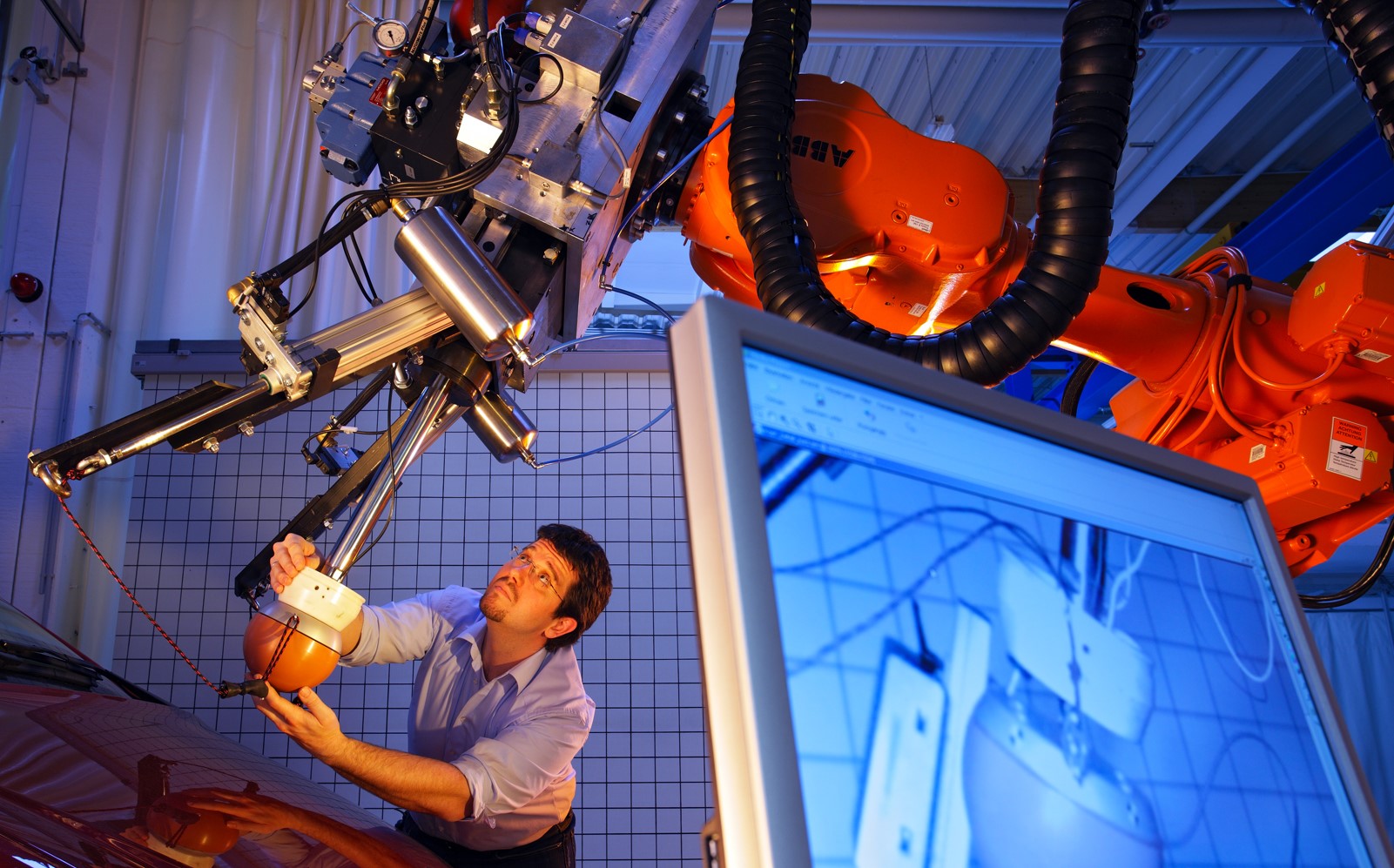

Technik – a sprawling term
Munich, 02 March 2023
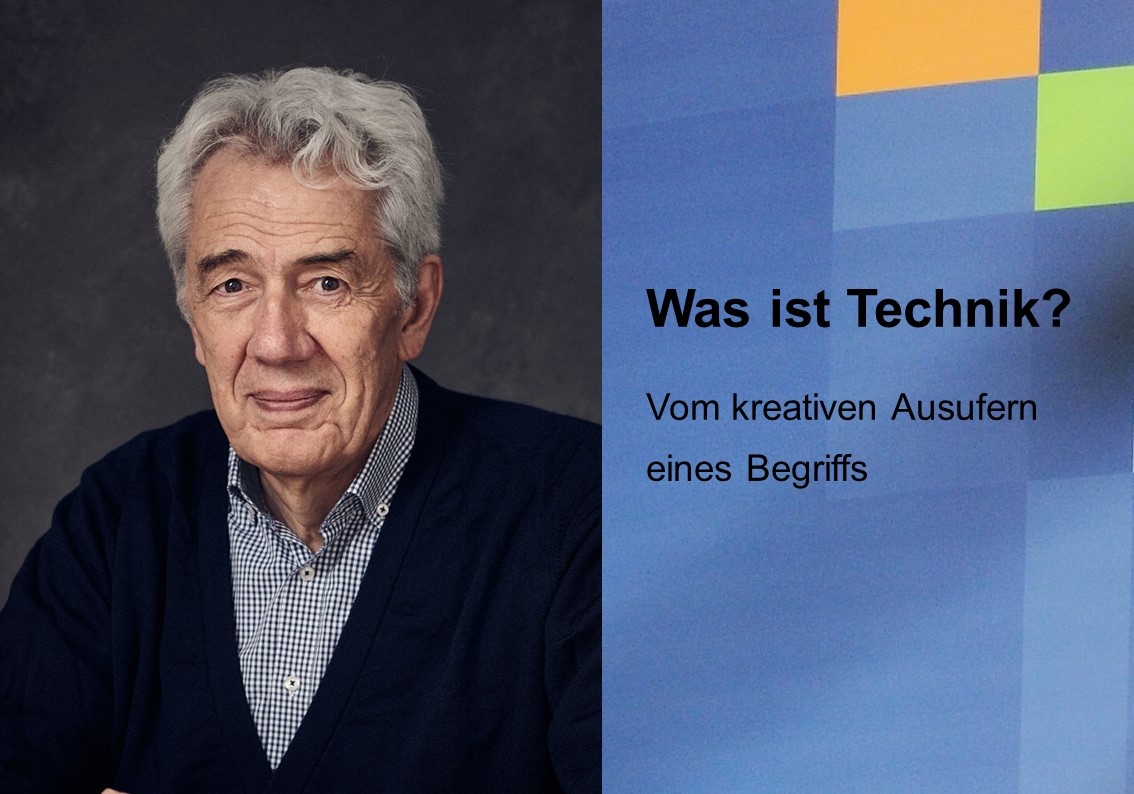
What do we mean when we speak of Technik, a German word which, depending on the context, can mean technology, engineering, technique or technical? Technology historian and acatech member Ulrich Wengenroth discussed this topic at acatech am Dienstag on 28 February. This edition of the online format was again held in partnership with “vhs.wissen live”, and around 200 spectators tuned in. In his welcome address acatech President Jan Wörner briefly outlined the topic and touched on society’s attitude towards technology. This, he said, alternates between technophobia and technology worship.
To Ulrich Wengenroth’s speech (audio):
Podcast: “What is Technik? – On the creative sprawl of the term” (in German)
Duration: 1 hour 7 minutes and 2 seconds
acatech member Ulrich Wengenroth, who was Ordinarius for History of Technology at the Technical University of Munich until 2014, asserted that the term Technik is currently used to refer to very different things and in very different contexts ranging from forming technology to financial engineering to piano-playing technique.
Numerous attempts have been made to rein in the sprawling term. But neither Duden – a dictionary of Standard High German – nor Wikipedia nor VDI standard 3780 – which contains guidelines on the assessment of technology issued by the Association of German Engineers – has succeeded, said Ulrich Wengenroth. For example, the popular definition of Technik as an applied science does not apply for much of history. Metallurgy, brewing, textile dyeing and construction developed over thousands of years without them being based on natural science.
Ulrich Wengenroth also pointed out that it is not meaningful or possible to divide our world into the “technical” and the “non-technical”. Humans are immersed in a technosphere: the moment they started cutting their hair and wearing clothes they became technicised beings. Without the use of tools and technology our hands would have evolved completely differently, said Ulrich Wengenroth.
He suggests it would be better to ask what can be subsumed under the term Technik rather than trying to define it “correctly”, thereby limiting its openness.
Technology is ultimately a means of creative control, summed up Ulrich Wengenroth. It works very well with inanimate nature, as evident from the oversaturation of our world with objects. It works equally well with the provision of food and protection for a global population that has increased a millionfold compared with low-tech times. However, when technology gets into the wrong hands it can also cause huge damage, even if the original motives for its development may have been good.
Further information:
The question “What is technology?” is a question that has already been discussed several times by “acatech am Dienstag” in partnership with “vhs.wissen live”:
-
Contact

PD Dr. Marc-Denis Weitze
acatech - Deutsche Akademie der Technikwissenschaften
Leiter Kommunikation | Gesellschaft
Tel.: +49 89 520309-50
weitze@acatech.de -
Projects
Topic